

Geylang East – Nearly Forgotten
– Text by Lee Shi Qing & AL Lee
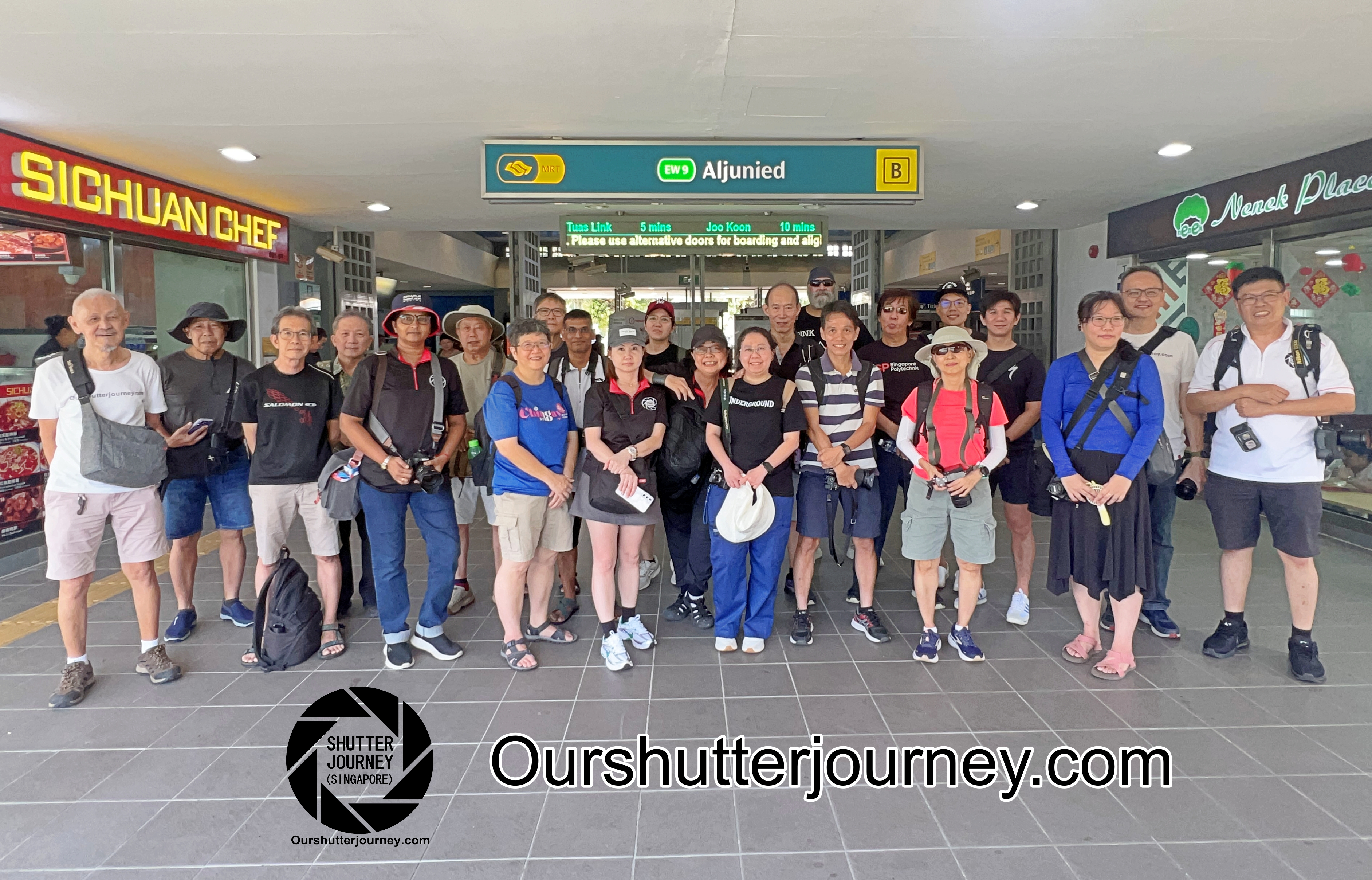
31st August 2026, Singapore — On a hot and sleepy afternoon, we found ourselves walking through Geylang East, an estate that may not immediately come to mind when one thinks about places to explore or photograph in Singapore.
Singapore is constantly changing. New developments rise where familiar places once stood, older buildings are renovated or replaced, and neighbourhoods gradually evolve with each generation. Amid this constant transformation, there are still estates that seem to move at a slower pace—quiet neighbourhoods that continue to serve the communities living within them, yet remain largely unnoticed by those passing through.

Geylang East feels like one of these places.
It is not a particularly large estate, nor does it have the attractions that usually draw crowds of visitors or photographers. There are no major shopping districts, iconic landmarks or famous tourist spots. Yet, as we walked through the neighbourhood, we began to realise that there was something interesting about its simplicity.
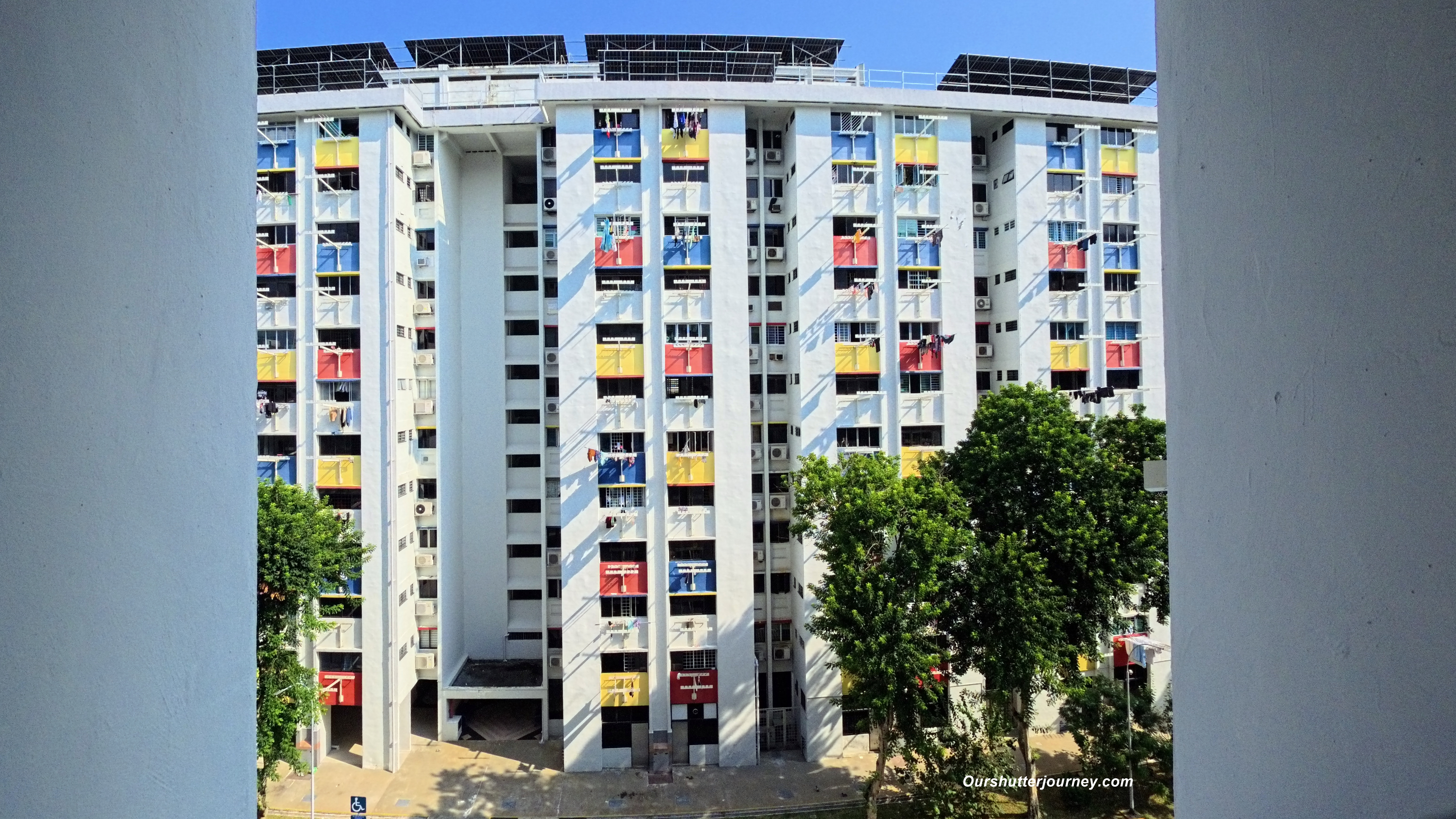
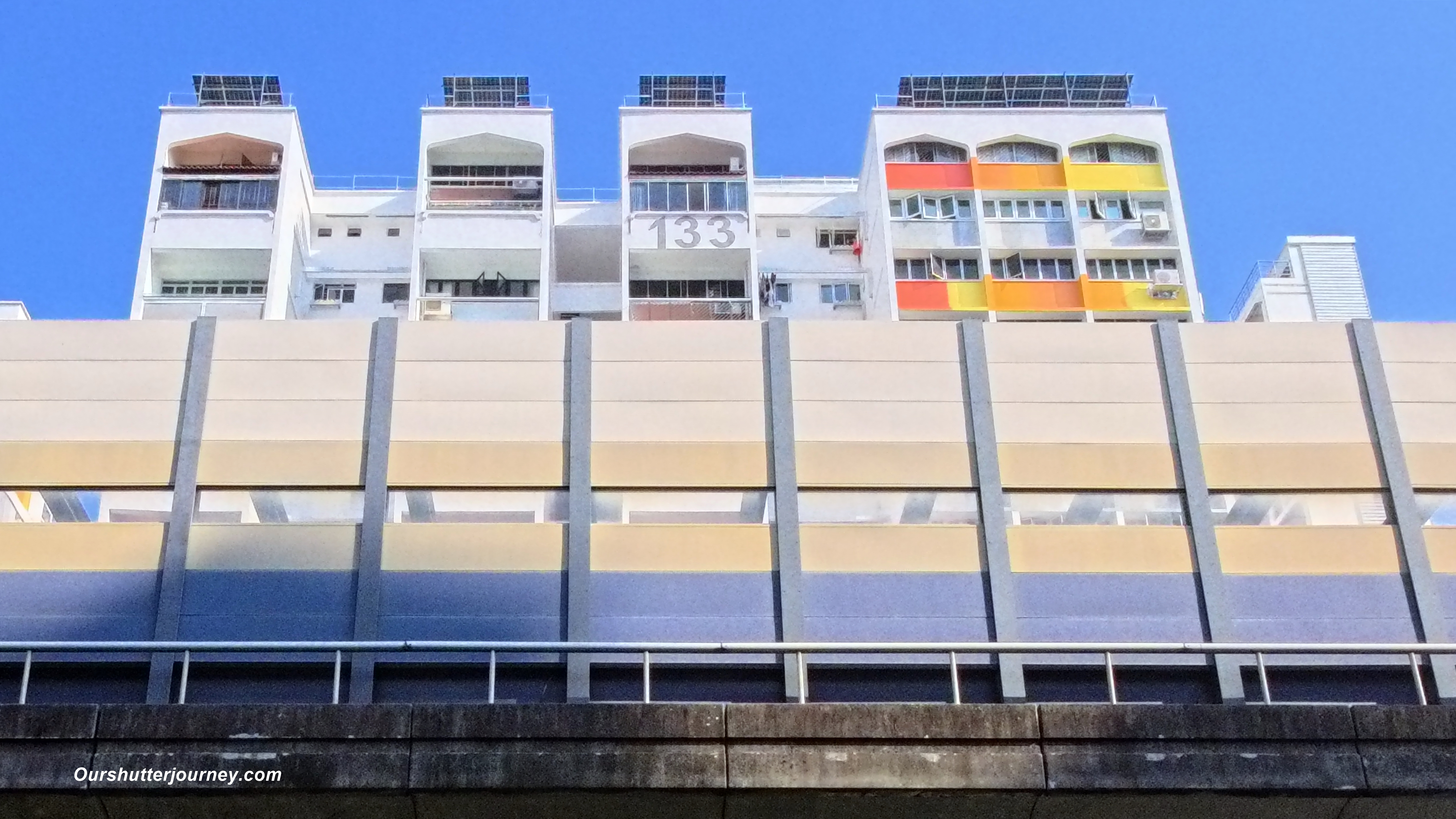
Our exploration took us through different generations of public housing blocks, each reflecting a different period in Singapore’s housing development. The changing architectural styles, void decks, corridors and open spaces provided an interesting backdrop for photography. Some areas felt familiar, while others seemed to carry a sense of nostalgia, reminding us of the Singapore neighbourhoods that many of us grew up with.
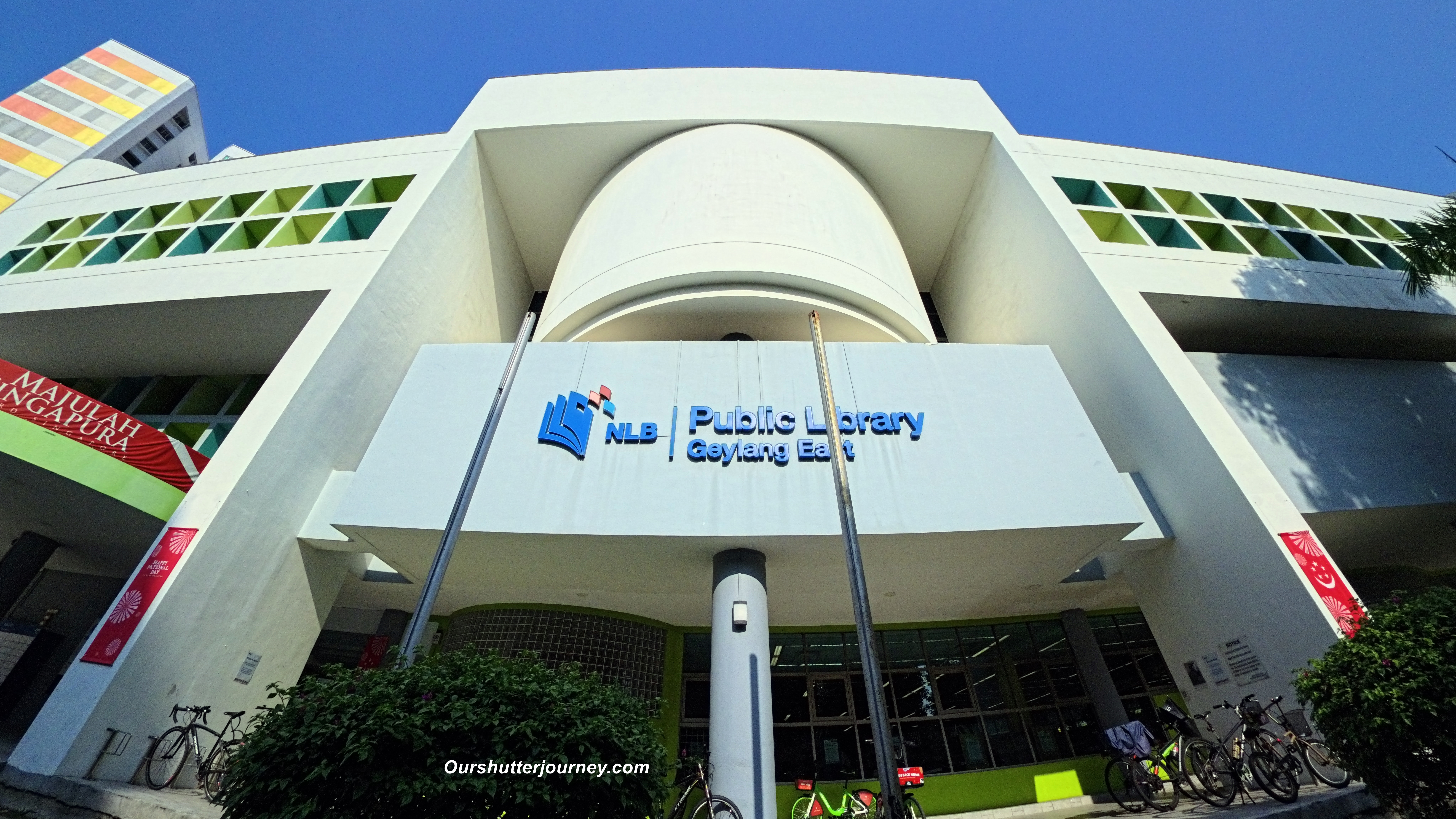
As we continued walking, we arrived at a small town centre where everyday life unfolded at its usual pace. There were various eateries serving residents, including a familiar McDonald’s outlet, alongside shops and services catering to the needs of the community. Nearby were a school and a public library, both important parts of the neighbourhood and reminders that an estate is more than just a collection of residential blocks.

The walk also brought us past two temples and into the surrounding industrial area. These different elements—homes, schools, places of worship, eateries and workplaces—came together to form the character of Geylang East. Although the estate may appear modest at first glance, it offers a glimpse into the everyday rhythm of life in a mature Singapore neighbourhood.
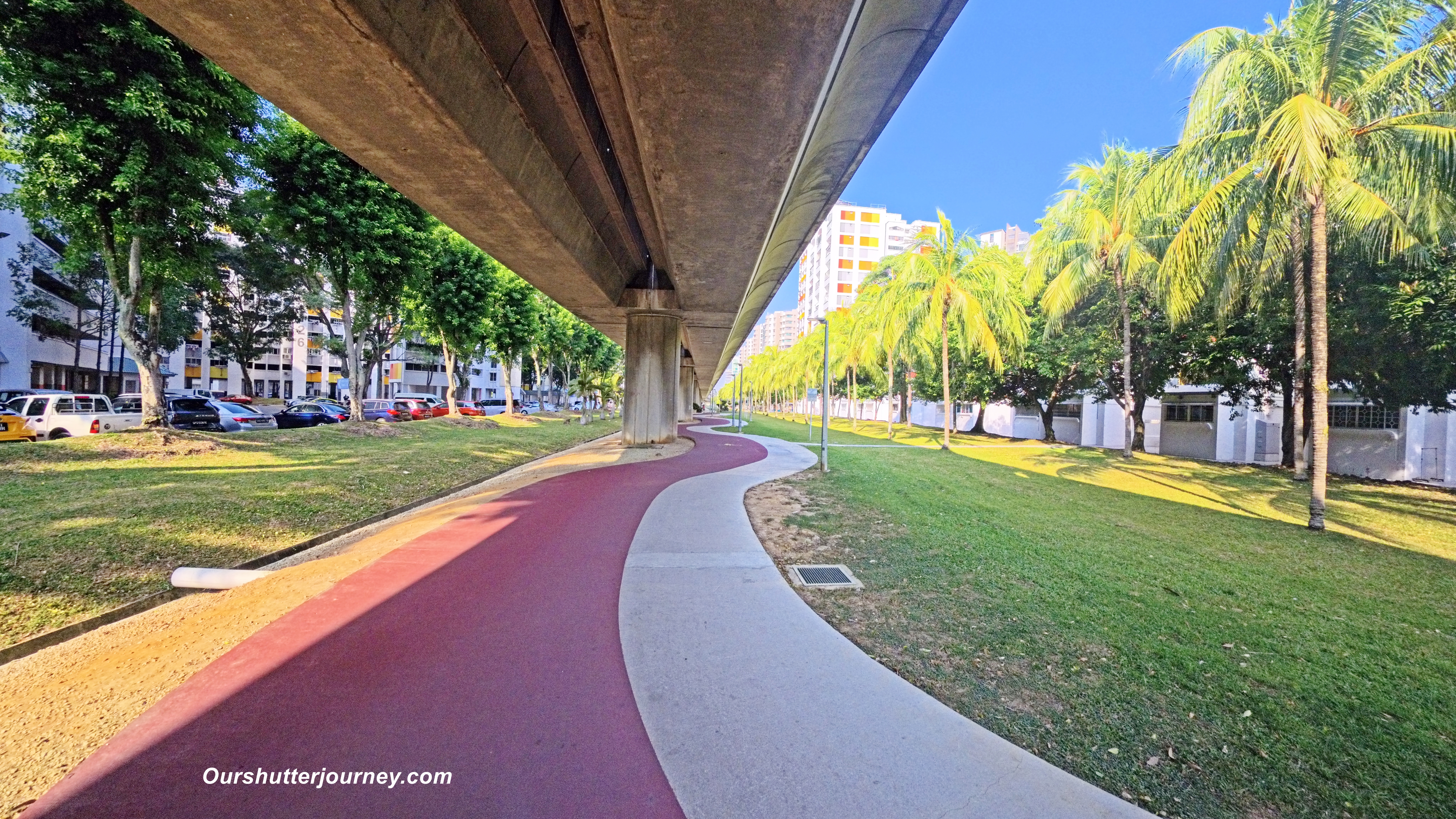
By late afternoon, the light began to change.
Between approximately 4:00pm and 5:30pm, the afternoon sun created longer and more interesting shadows across the estate. This was the time when the walk became more than just an exploration. Cameras were raised, compositions were considered, and ordinary scenes were transformed by the changing light.
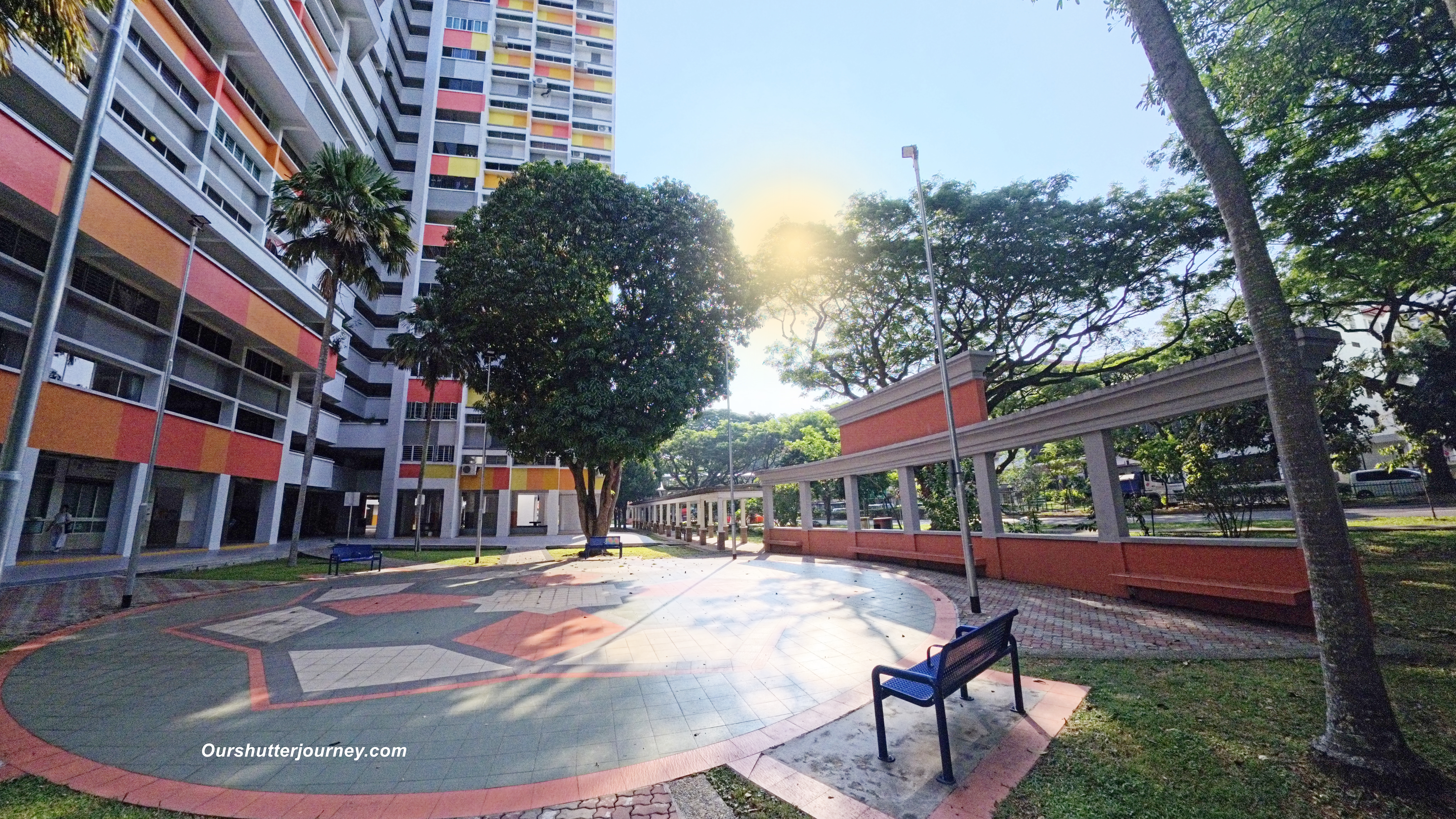
The strong sunlight created lines and patterns across walls, walkways and public spaces. Shadows from buildings, railings and trees became part of the composition. We began looking at familiar elements from a different perspective, searching for moments where light, architecture and people came together.
In many ways, the photography outing became a combination of street photography and estate photography.
Street photography allowed us to observe the small, everyday moments taking place around us, while estate photography encouraged us to look more closely at the environment itself—the architecture, spaces, textures and details that give a neighbourhood its identity.
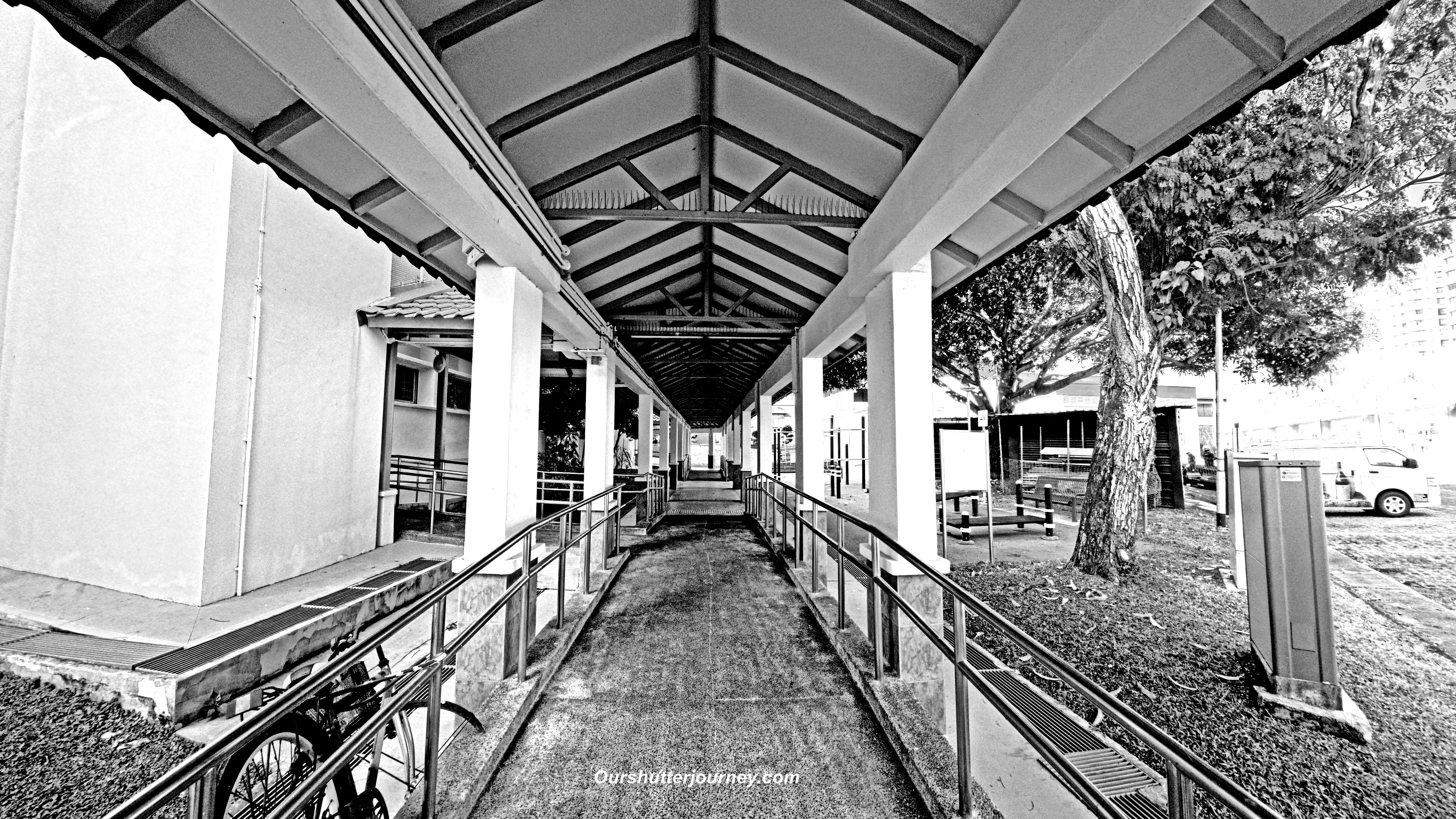
There was no need to search for dramatic scenes. Sometimes, the most interesting photographs came from simple moments: a quiet walkway, a row of ageing HDB blocks, the contrast between old and new architecture, or sunlight falling across an otherwise ordinary corner.
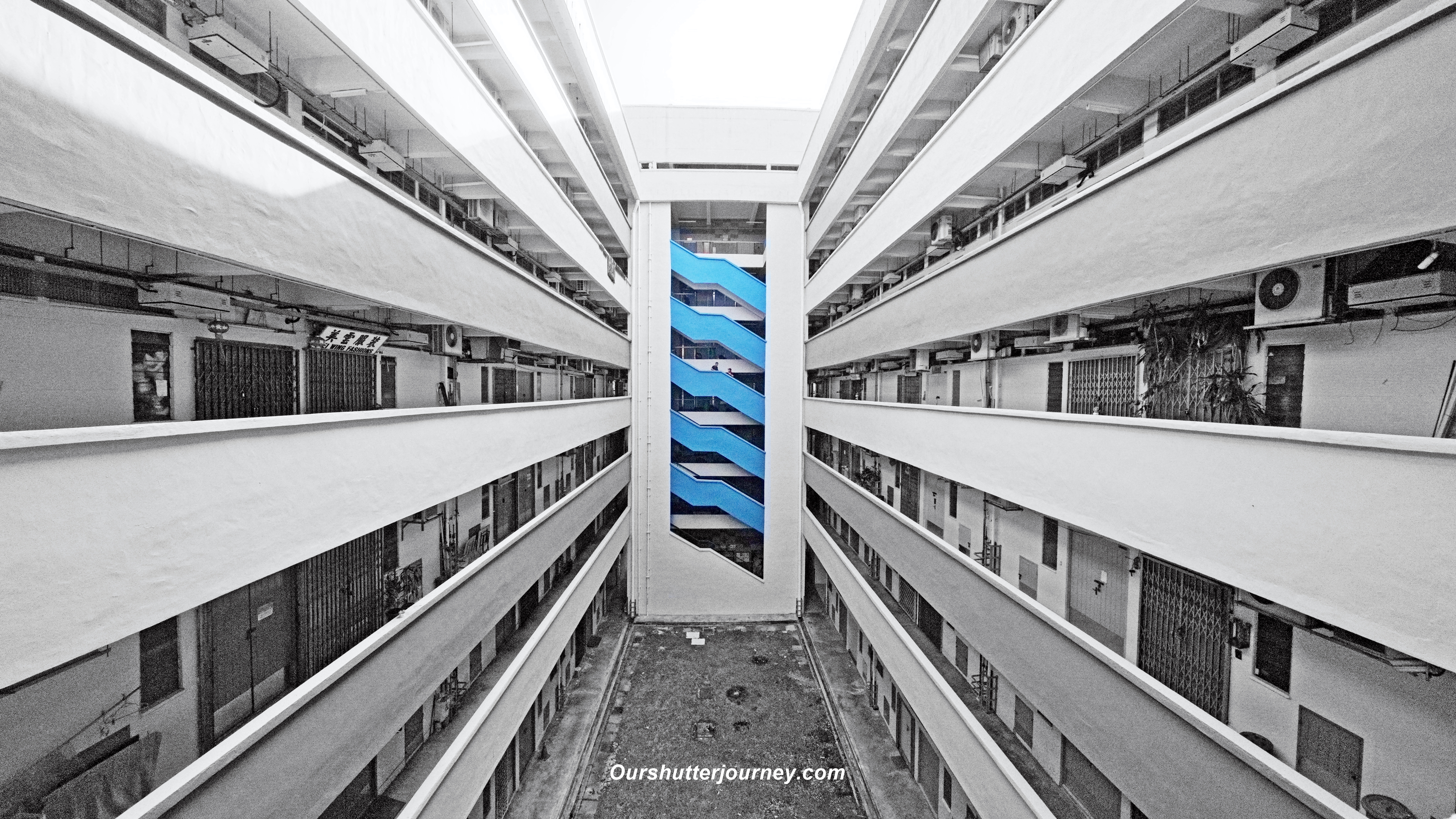
Geylang East may not be one of Singapore’s most talked-about neighbourhoods, but perhaps that is exactly what makes it interesting.
Despite its location near one of Singapore’s more notorious districts, the estate itself felt remarkably clean, peaceful and calm. Walking through the neighbourhood, we found little of the chaos or activity that one might expect from its geographical surroundings. Instead, there was a sense of everyday normality—residents going about their routines, people enjoying meals at the town centre and the quiet presence of homes, schools and community spaces.
Perhaps many Singapore estates are like this.
They may not appear in travel guides or regularly feature on social media, but they form an important part of Singapore’s urban landscape. These neighbourhoods tell stories of generations who have lived, worked, studied and grown up within their surroundings. Their significance may not always be immediately visible, but it can often be discovered simply by slowing down and taking the time to walk through them.
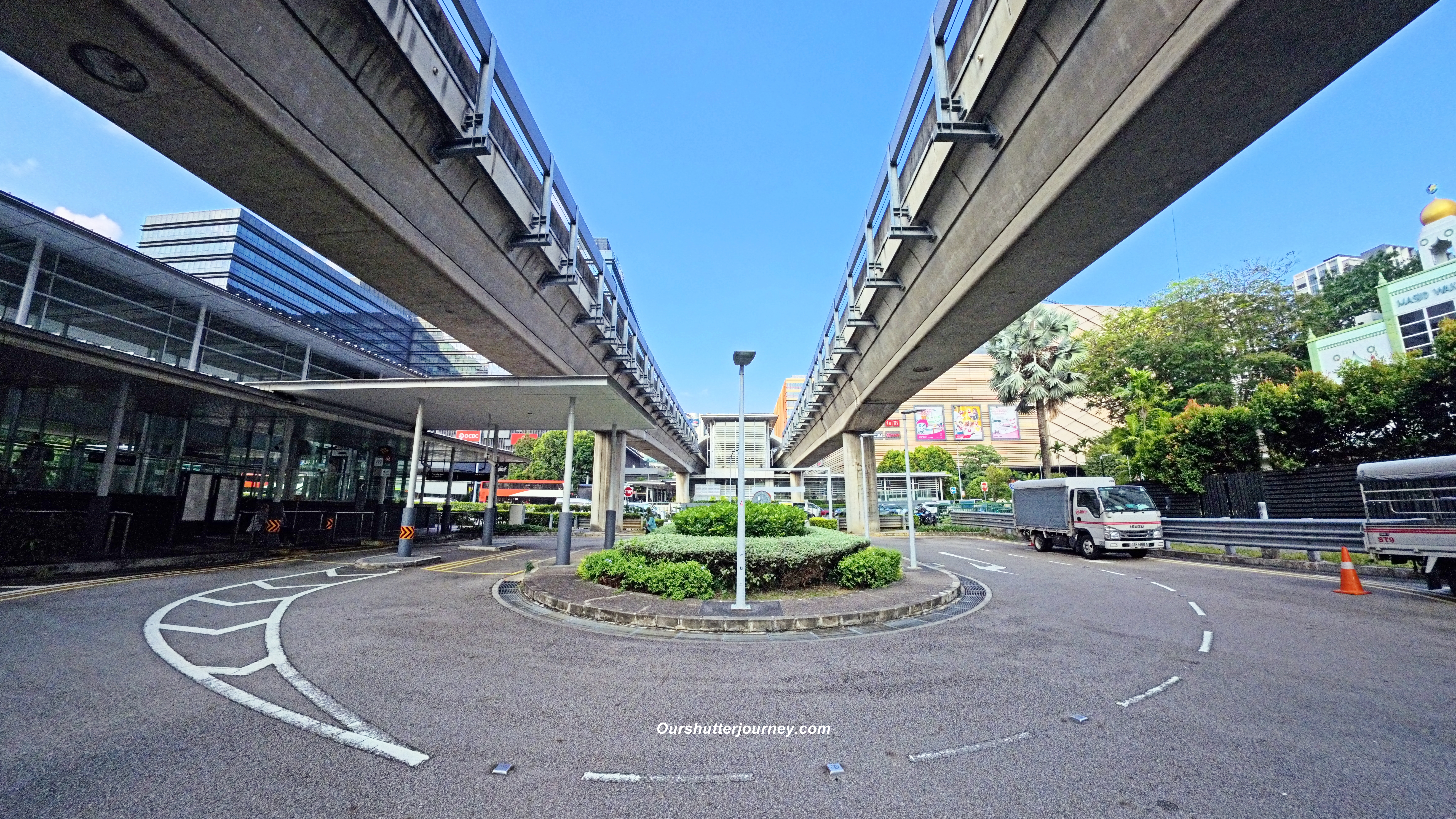
For photographers, places like Geylang East can also be an interesting reminder that photography does not always require travelling to famous locations. Sometimes, interesting stories can be found in the estates around us.
All that is required is curiosity.
As photographers, we often search for spectacular landscapes, dramatic architecture or unusual events. Yet there is also value in documenting the familiar. An ordinary neighbourhood today may become an important historical record tomorrow. Buildings may eventually be renovated or replaced, businesses may close, residents may move away, and the character of an estate may gradually change.
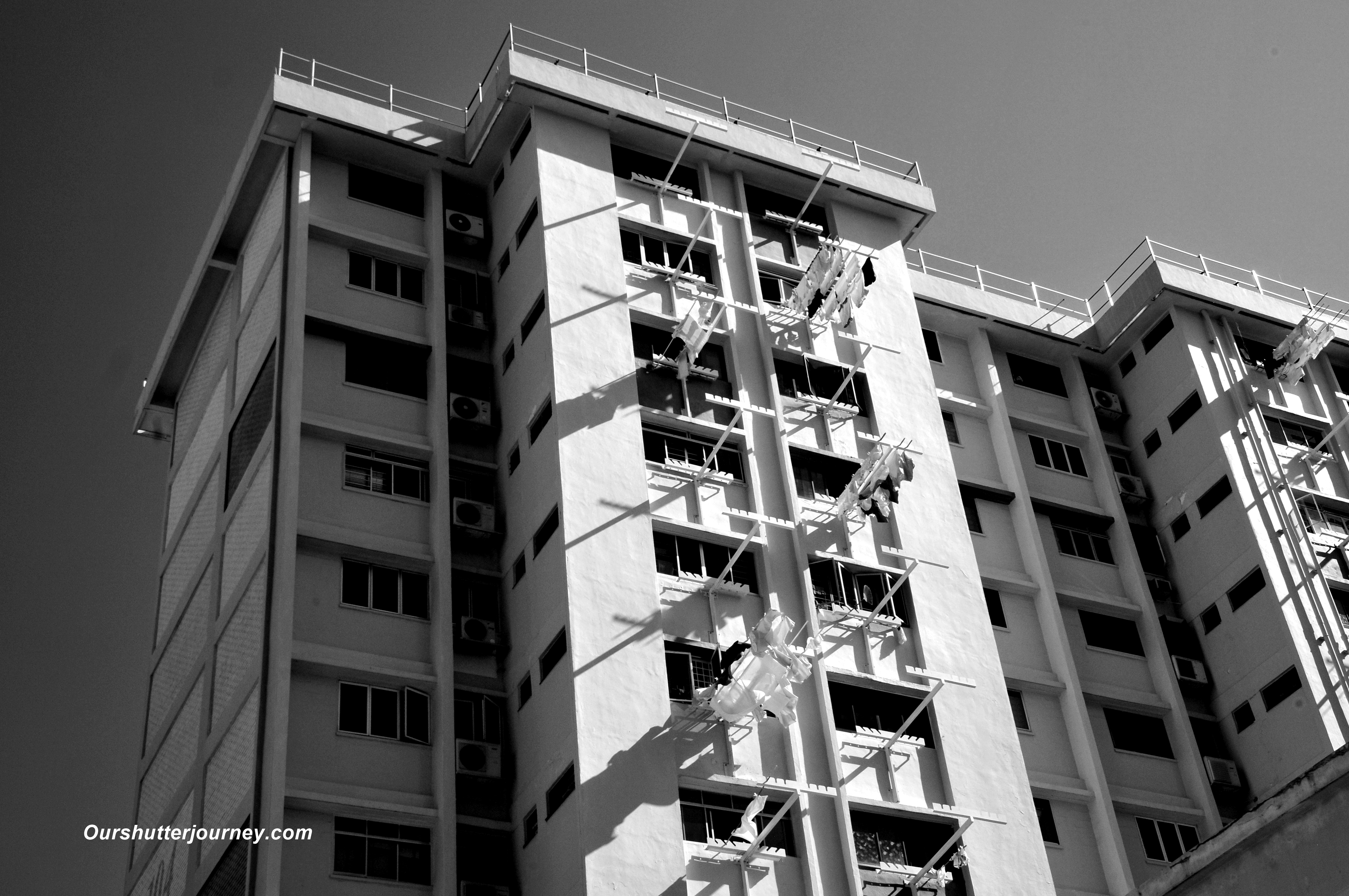

Photographs allow us to preserve these moments. They document not only what a place looks like, but also how it feels during a particular period of time. The afternoon light, the quiet walkways, the residents, the architecture and even the heat of a Singapore afternoon all become part of the story.
Despite the heat and humidity, we thoroughly enjoyed our walk through Geylang East. By the end of the afternoon, we had managed to document a fair number of images and, more importantly, gained a better appreciation for a neighbourhood that we might otherwise have overlooked.
Geylang East may not be a famous destination. It may not be a large estate. And for many Singaporeans, it may simply be another neighbourhood that they pass by without giving it much thought.
But sometimes, the places that are nearly forgotten are the ones that still have stories waiting to be discovered. And perhaps, all it takes is an afternoon walk, a camera in hand and a willingness to look a little closer.
Keen to join our walks? Click here to join our Whatapps Group!!
=========================
Contributing Editor – Lee Shi Qing
A firm believer of Self-Sufficient living and gives no f**k to anyone getting in her way to reaching her goals in life. Kind in nature & Dangerous when provoked. Loves Mcdonald’s Fries and hates all the burgers there. While she helps out in gear reviews, Qing is currently serving as an Online Administrator for Ourshutterjourney.com Facebook Groups and Online Shop.
=========================
About Chief Editor AL Lee
Chief Editor & Founder of Ourshutterjourney.com Worldwide and Principal Trainer at Ourshutterjourney Photography Academy. AL is a commercial photographer as well as an educator who believes in the art of digital memories. An ambassador of several photography brands, AL is well versed in many camera systems. Someone once told us AL’s man cave looks more like a camera store than a bedroom.
========================
About Ourshutterjourney.com
Visit Our Online Store
Join Our Membership.
=========================



