Photography Courses Jun – Aug 2012

Combined Course Dates. June 2012-August 2012

Legend:
PSS – Photographic Society of Singapore
TPCC – Tanjong Pagar C.C.
WQY – Sun Yat Sen Nanyang Memorial Hall
NTUC – ULive
PPC – Private Photography Course
MPC – Macro Proficiency Course (Advanced)
TOYToyExpressions Course (Specialty)
DBC – Digital Basic Class (Basic)
PC – PSS Photo Clinic

NOTE: To Sign Up for Courses, please email for details.
For Photography Courses at The Photographic Society of Singapore : allan.lee@pss1950.org
For Photography Courses at Tanjong Pagar CC : waipheng88@hotmail.com
For Photography Courses at Sun Yat Sen Memorial Hall: NHB_WQY@nhb.gov.sg
For Photography Courses at NTUC ULive: lbh9177@singnet.com.sg
For Photography Courses (Private): media_world@live.com

June 2012
05th June 2012/ Tue – TOY1/ PSS/ 7.30-9.30pmj
(Theory/Ratio Manipulation/Gear Requirements/Selecting Toys/Managing Ratio Difference)

08th June 2012/ Fri – MPC1/ PSS/ 7.30-9.30pm
(Theory/Starting Macro/What to prepare/What equipments + gears/Pre-shoot prep/Basic Settings/Techniques)

09th June 2012/ Sat – TOY2/ Singapore Flyer + MBS/ 9.30-11.30am
(Outing/Depth of Field Manipulation/Choosing Background/Lighting control)

09th June 2012/ Sat – MPC2/ Botanic Gardens/ 2.30-4.30pm
(Shooting Day Macro/What to prepare/Demo/Basic Processing/Tryouts/On-Site Critiques)

09th June 2012/ Sat – MPC3/ HortPark/ 7.30-9.30pm
(Shooting Night Macro/What to prepare/Demo/Basic Processing/Tryouts/On-Site Critiques)

10th June 2012/ Sun – DBC1/ Wan Qing Yuan/ 3.00–4.30pm
(Theory & Understanding of your DSLR/the Power of composition/unleash your creativity)

14th June 2012/ Thu – MPC4/ PSS/ 7.30-9.30pm
(Macro Photo Processing/Post production Tips & Short Cuts/Hands on Processing)

16th June 2012/ Sat – TOY3/ Raffles Place + Singapore River/ 2.30-4.30pm
(Outing/Creating a Storyline/Copywriting/Use of techniques for blending unreal subjects)

17th June 2012/ Sun – DBC2/ Vivo City/ 3.00–4.30pm
(Aperture Study/Understanding & Hands-on)

18th June 2012/ Mon – TOY4/ PSS/ 7.30-9.30pm
(Processing Tips & Tricks/Photo Critics/Submission Criterias)

21st June 2012/ Thu – MPC5/ PSS/ 7.30-9.30pm
(Indoor Macro Shoot/Outdoor Macro/What to prepare/Demo/Basic Processing/Tryouts)

22nd June 2012/ Fri – PC/ PSS/ 7.30-9.30pm
(PSS Photo Clinic)

23rd June 2012/ Sat – MPC6/ PSS/ 2.30-4.30pm
(Students to submit one best photo from the previous class for review/Tips & short cuts/Course review)

24th June 2012/ Sun – DBC3/ Clarke Quay/ 7.00-8.30pm
(Shutter Speed study/Understanding & Hands-on)

29th June 2012/ Fri – PC/ PSS/ 7.30-9.30pm
(PSS Photo Clinic)

July 2012
01st July 2012/ Sun – DBC4/ Botanic Gardens/ 3.00-4.30pm
(Landscape Study/Understanding & Hands-on)

12th July 2012/ Thu – MPC1-TPCC/ TPCC/ 7.30-9.30pm
(Theory/Starting Macro/What to prepare/What equipments + gears/Pre-shoot prep/Basic Settings/Techniques)

14th July 2012/ Sat – PPC1/ Raffles Place/ 2.30pm – 4.30pm)
(Theory & Understanding of your DSLR/Understanding Shutter Speed & Practical Shoot/Understanding Aperture & Practical Shoot/Understanding ISO & Practical Shoot)

15th July 2012/ Sun – MPC2-TPCC/ Botanic Gardens/ 9.30-11.30am
(Shooting Day Macro/What to prepare/Demo/Basic Processing/Tryouts/On-Site Critiques)

15th July 2012/ Sun – DBC5/ East Coast Park/ 3.00-4.30pm
(Portraits Study/Understanding & Hands-on)

19th June 2012/ Thu – MPC3-TPCC/ HortPark/ 7.30-9.30pm
(Shooting Night Macro/What to prepare/Demo/Basic Processing/Tryouts/On-Site Critiques)

20th July 2012/ Fri – PC/ PSS/ 7.30-9.30pm
(PSS Photo Clinic)

21st July 2012/ Sun – PPC2/ Botanic Gardens/ 3.30pm – 5.30pm
(Nature Landscape Photography/Macro Photography/Day Long Exposure)

22nd July 2012/ Sun – DBC6/ Hort Park/ 4.00–5.30pm
(Nature Study+Macro Study/Undestanding & Hands-on)

22nd July 2012/ Sun – DBC7/ Kallang Leisure Park/ 7.00-8.30pm
(Long Exposure Study/ Understanding & Hands-on)

23rd July 2012/ Mon – PPC3/ Kallang Leisure Park/ 9.00pm – 10.30pm
(Nightscape Photography, Night Long Exposure)

26th July 2012/ Thu – MPC4-TPCC/ TPCC/ 7.30-9.30pm
(Macro Photo Processing/Post production Tips & Short Cuts/Hands on Processing)

27th July 2012/ Fri – PC/ PSS/ 7.30-9.30pm
(PSS Photo Clinic)

28th July 2012/ Sat – PPC4/ Haji Lane/ 4.30pm – 6.30pm
(Cityscape Photography/Street Photography/Portraits)

29th July 2012/ Sun – MPC5-TPCC/ TPCC/ 9.30-11.30am
(Indoor Macro Shoot/Outdoor Macro/What to prepare/Demo/Basic Processing/Impromptu Project)

29th July 2012/ Sun – DBC8/ Wan Qing Yuan/ 3.00– 4.30pm
(Course Summary/Suggested Genres/Internship Opportunities)

August 2012
02nd Aug 2012/ Thu – MPC6-TPCC/ TPCC/ 7.30-9.30pm
(Students to submit one best photo from the previous class for review/Tips & short cuts/Course review)

04th Aug 2012/ Sat – PPC5/ East Coast/ 3.30pm – 5.30pm
(Sports Photography/Monochrome Photography/Flash Photography)

05th Aug 2012/ Sun – PPC6/ To Confirm/ 10.00am – 12.00nn
(Processing Tricks & Tips/Course Summary/Photo submission)

24th Aug 2012/ Fri – PC/ PSS/ 7.30-9.30pm
(PSS Photo Clinic)

31st Aug 2012/ Fri – PC/ PSS/ 7.30-9.30pm
(PSS Photo Clinic)

*Subjected to Changes & Intake.

Posted in Photography Courses & Events | Tagged | 2 Comments

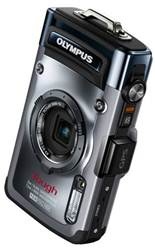
Olympus Announced the Olympus TOUGH TG-1 Camera

World’s fastest f2.0 TOUGH camera · TOUGH picture quality blows competition out of the water · New TG-1 lens and display quality put rivals to shame · f2.0 high-speed lens and converters deliver at 12 metres depth.


Singapore, 8 May 2012 – Even by the extremely high standards of Olympus’ category-defining TOUGH range of cameras, the new OLYMPUS TOUGH TG-1 flagship takes remarkable pictures and boasts some remarkable features.

First and foremost is its superb, extra-wide aperture f2.0 high-speed lens that can capture excellent-quality images even in the permanent twilight found 12 metres underwater, which is exactly where this camera is engineered to excel. The TG-1 is waterproof*, shockproof*, freezeproof* and crushproof*. For all-action risk-takers or reef-loving divers, it is peace of mind sealed in a stylish all-metal box. And what a box of high-tech innovations that is. For serious photographers, waterproof fisheye and tele converter lenses are available (via an optional adapter). There are Olympus’ iHS (Intelligence, High Sensitivity and High Speed) technologies, plus a colour-rich, high-contrast, anti-reflective OLED display, GPS and e.compass and three new shooting modes: Low Light, Super Sports and Super Macro. It is an impressive package that puts rival compacts firmly in their place. The OLYMPUS TOUGH TG-1 is available in Silver from mid-June 2012 onwards.

Let there be light

No matter how tough your camera, in the end it is excellent picture quality that counts. And picture quality is what the new TOUGH flagship is all about. Its f2.0 super-bright, high-speed lens gives the name TOUGH a new meaning – it is really tough to get anything less than an outstanding shot. The lens is an eye-opening example of cutting-edge optical engineering. Combined with the powerful TruePic VI image processor and 12-Megapixel low-noise, high-sensitivity CMOS sensor, this lens makes it possible to shoot pictures that until now simply was not feasible with an outdoor-proof camera at this price. In low light conditions and with fast-moving, auto-focused images, the new lens transforms the range of shots you can take. The TG-1 also features the same FAST AF system technology found in Olympus’ PEN cameras, so in fast-action situations you have an excellent chance of getting your Full HD movie or pristine still.  

Unlike most cameras in the compact class, you can attach waterproof converters to the TG-1 using an adapter. A fisheye converter captures wider, more dynamic images even in dark underwater scenes; while the tele converter lets you increase the optical zoom ratio by 6.8x – for dramatic close-ups with professional-looking background blur. With the Super-resolution Zoom feature, you can even reach 13.6x magnification. 

Let the games begin

The new TOUGH is for people who do not want to hold back. It is a worry-free camera that makes life a whole lot more fun. From the top of an Alpine mountain to the bottom of a tropical lagoon, you can take it everywhere and capture everything. It is crushproof* to a force of 100kg, waterproof* to a depth of 12 metres, shockproof* to a height of 2 metres and freezeproof* to -10°C. What’s more, the TG-1 is equipped with new features that make recording movies and stills even easier in tricky conditions. Like the Low Light Mode that automatically speeds up the shutter to prevent blur when you want to capture the special atmosphere of a low-light scene. Or the Super Macro Mode that lets you zoom in for spectacular close-ups of objects just one centimetre from the lens.

Outstanding features:

Toughness

•     Crushproof to 100kg*, waterproof* to 12m, shockproof* to 2m and freezeproof* to -10°C for worry-free use anytime anywhere

•     Sliding double lock mechanism and metal body for optimum protection of battery, card slots and ports

•     Hard glass lens barrier for extra-tough lens protection

•     Water-repellent and scratch resistant double seal technology

•     GPS and e.compass with unique three-sensor technology for orientation and key information at a glance

•     Improved TAP Control Mode for controlling the camera by tapping or tilting the body, ideal when wearing gloves

•     Built-in manometer for checking depth underwater

•     LED Illuminator for lighting up underwater scenes or macro subjects

Image Quality

•     4x wide optical zoom (25-100mm**) for shooting flexibility

•     12-Megapixel backlit CMOS sensor for high-resolution, superb-quality full-size movies, stills and prints

•     f2.0-4.9 wide-aperture high-speed lens for dramatic shots with low depth of field or reduced blur in low light

•     Powerful TruePic VI image engine for faster recovery time and shutter release plus excellent image quality

•     iHS technologies for capturing exactly the shots you want regardless of shooting conditions

•     Low Light Mode for sharper, more atmospheric shots in low light

•     Super Sports Mode for sharper sequential shots of fast-moving subjects

•     Super Macro Mode for stunning macros just 1cm from the lens

•     1080p Full HD Movie with sound for capturing movies in the best image quality currently available in compact cameras

•     Multi-motion Movie IS for recording Full HD movies with reduced blur while walking

•     Dual Image Stabilisation for reducing blur with fast-moving shots

•     HDR Backlight Adjustment for ideal exposure when shooting against the light

•     Magic Filters for adding creative effects to HD movies and/or stills: Punk, Pop Art, Pin Hole, Drawing, Soft Focus, Fish Eye, Sparkle (photos only), Watercolour, Reflection, Miniature, Fragmented (photos only), Dramatic

•     Advanced Intelligent Auto Mode (i-Auto) and AF Tracking for easy setting and focusing

•     Face Detection and Advanced Shadow Adjustment Technology for capturing people’s faces just as you want them

•     Super-resolution Zoom for digitally extending the range of the optical zoom with virtually no loss of image quality

•     3D photo shooting mode for striking stills

•     ISO 100 to 6400

•     Beauty Make-up Mode for hiding unwanted blemishes

•     Pet Detection Mode for automatically capturing dog’s or cat’s faces when they look at the camera

•     In-Camera Panorama for quick and easy panorama shots

•     Scene Mode for automatic settings that suit specific conditions, including Landscape, Night and i-Underwater Snapshot

Storage and Sharing

•     3.0” OLED (610,000 dots) display for improved playback and visibility during shooting with enhanced contrast, brightness and angle of view

•     SDHC and SDXC memory card compatible***

•     Eye-Fi Card compatibility for automatic wireless uploading of images to a website or PC

•     Photo Surfing and [ib] software for browsing, organising and viewing images by person, place, location or event

•     HDMI technology for controlling your camera from one remote when it is connected to HD equipment

Other

•     Built-in flash

•     In-camera help guide

•     USB charging

* Waterproof according to IEC standard publication 529 IPX8. Shockproof figures equivalent to MIL Standard (Olympus test conditions). Freezeproof according to Olympus test conditions.

** 35mm camera equivalent

*** SD is a trademark of SD Card Association. UHS I is not supported

Recommended Retail Price and Availability

The OLYMPUS TOUGH TG-1 is available in Silver at Olympus authorised retailers from mid-June 2012 onwards.

Recommended retail price: To be confirmed

For the list of authorised retailers, please visit

http://home.olympusimage.com.sg/contactus/authorised_retailers.asp

About Olympus Imaging Singapore

Olympus Imaging Singapore is the unparalleled industry leader in opto-digital technologies, delivering award-winning digital imaging products for the consumer and professional markets in Singapore. Driven by a strong commitment in providing innovative products and solutions of the highest quality, Olympus Imaging Singapore works closely with industry partners, customers and other Olympus business units in producing leading-edge products. These include analogue and digital cameras, professional SLR imaging systems, and voice recorders, amongst others. Olympus Imaging Singapore’s unrelenting efforts in superior customer service also bear testimony to its brand promise of delivering the best user experience to all consumers and professional users in the imaging field. For more information, please visit http://www.olympusimage.com.sg.

More information & specs? Wait till I get my hands on a review unit.

Meantime, press photos.

Posted in Brand: Olympus, Photography Articles & Videos, Uncategorized | Tagged | Leave a comment

A New Voice in Photography Media – For Singapore

Finally, a locally bred magazine representing the digital imaging industry, or photography is borned!

Published by EDGE Print Media Pte. Ltd., IMAGES MAGAZINE SINGAPORE brings you the latest news in brand developements, new photography gadgets hitting the shelves, product reviews, user feature stories & many many more~! Now into its 2nd issue and the Publisher had promised me that more distribution channels will be added and to bring the magazine “IMAGE” nearer to you. 

Subscription for IMAGE has also started for readers who prefers to receive the magazine via post.
For more information on subscription, advertising or distribution,
please feel free to make contact at www.edge-sg.com/images-mag.

Posted in Photography Articles & Videos, Photography Magazine, Uncategorized | Tagged , , , | 2 Comments

Canon EF-S Lenses – Are They Any Good? (Featuring Kelly Yuen)

You bought an entry-level or prosumer Canon EOS DSLR. It came with a kit lens in the box. Every other photographer whom you know tells you to forget about that lens and get a “better” lens. Is that lens really that bad? Read on.

In Canon’s EOS World of DSLR cameras & lenses, everyone is familiar with EF lenses which stands for “Electro-Focus”. In 2003, Canon introduced the EF-S line of lenses for exclusive use with APS-C Sensors (Smaller Sensor found in Canon’s entry-level & prosumer DSLRs) The “S” in EF-S stands for “short back focus” (not “Standard” which many had thought so), which means that the rear element of the lens is closer to the image sensor than on regular full frame (35mm DSLR). As of 2012, no EF-S lens was given the ‘L” designation or with built with Diffractive optics and strangely only one EF-S prime lens was built for this line of lenses.
(*Only Canon cameras with the APS-C sized sensor released after 2003 support the EF-S mount.)

So back to the question, are these lenses any good? Well, the professionals and serious hobbyists swear by their L Lenses, but that does not means the non “L” lenses will not get you good photographs. Although 80% of EF-S lenses feels “plasticky” and not really made for harsh conditions, the lens build is consumer friendly and durable. It is also priced very much lower than it’s bigger EF & EF(L) brothers, EF-S is good too – if you know what you are doing. If you do not intend to invest upwards to a professional body or a full frame body in the future, EF-S lenses saves you tons of money to start with. They are cheap to replace too – this is a bonus.

Thanks to Canon Singapore, I was given the opportunity to take a few of the EF-S lenses out for a weekend. (*Except EF-S 17-55m F2.8 IS USM, EF-S  15-85mm F3.5-5.6 IS USM, EF-S 10-22mm F3.5-4.5 USM & EF-S 60mm F2.8 Macro USM) Strangely, all the slightly more expensive EF-S “front-liners” were all out on road show display leaving behind this few lenses that are usually shunned by Professionals and “Professionals”. Well, I just took the lot and left Canon Singapore with NO Plans and NO ideas on how to do this article. I feel strange at first to leave behind my Canon arsenal (Canon EOS 1Ds MarkIII, 1D MarkIV & 5D MarkII with the 14 EF & EF-L-lenses) at home for a weekend, but certainly, I feel relaxed with the lighter gear in my bag and a chance to do a leisure walkabout to take a break from assignments.

So which lenses did Canon Singapore passed me?

From Left to Right: EF-S 18-135mm F3.5-5.6 IS, (Left Top) EF-S 18-55mm F3.5-5.6 IS II, EF-S 55-250mm F4-5.6 IS, EF-S 17-85mm F4-5.6 IS USM & EF-S 18-200mm F3.5-5.6 IS.

I took to the streets. Since it’s a weekend, I met up with one of my photography student, Kelly Yuen. I decided that for this time, I will let Kelly do the shooting with the lot of EF-S lenses and I shall just take my weekend walk with him and let him do whatever he wants with the lenses.


Kelly Yuen (http://www.facebook.com/yuenmxk)

We started walking towards Bugis Village, a haven of some sort for street photography with a complete messed up scene filled with people from all walks of life. Kelly fitted the EF-S18-200mm to his Canon EOS 400D and he started shooting.

Using the wide zoom range to his advantage, he shot expressions of people like the street paddlers below.


EF-S 18-200mm F3.5-5.6 IS, 1/40 F5.6 ISO 400.


EF-S 18-200mm F3.5-5.6 IS, 1/125 F5.6 ISO 800.

And he took shots of people & objects in the vicinity too.


EF-S 18-200mm F3.5-5.6 IS, 1/100 F5.6 ISO 400.


EF-S 18-200mm F3.5-5.6 IS, 1/60 F5.6 ISO 400.

As the sky threatens to pour, we left Bugis & headed towards Bras Basah. Kelly switched the EF-S 18-200 IS with the EF-S 18-135mm IS at this point. We went to the higher floors in search of films when Kelly decided to shoot from top down.


EF-S 18-135mm F3.5-5.6 IS, 1/250 F7.1 ISO 800.
(I did a little processing to make this photo more interesting. lol )

After the above shot, Kelly decided to change the EF-S 18-135mm IS to the new EF-S 18-55mm IS II and shot the church across the road.


EF-S 18-55mm F3.5-5.6 IS II, 1/200 F7.1 ISO 400.

I half suspect Kelly could be getting tired and decided to switch to this EF-S18-55mm IS II to lighten the camera. After getting what we were looking for, we decided to walk towards town. The Vanguard building caught Kelly’s attention and he took a shot of the building at the junction.


EF-S 18-55mm F3.5-5.6 IS II, 1/160 F7.1 ISO 800.

After this, the rain came and we headed home.
The next day, a Sunday, I picked up Kelly and decides to visit his school in the west of Singapore. His school offers a wide range of floral & fauna and I suggested to Kelly that perhaps, we can try doing some macro since some of the EF-S lenses have great magnification capability. When we reached, Kelly fitted the EF-S18-55mm IS II and took the below shots.


EF-S 18-55mm F3.5-5.6 IS II, 1/160 F7.1 ISO 800.


EF-S 18-55mm F3.5-5.6 IS II, 1/125 F7.1 ISO 400.

Very impressive close up shots I would say. Since it’s still very early, Kelly suggested visiting Chinese Garden as we are just a stone throw away. In just minutes, we are at the garden entrance. A rising sun greeted us.


EF-S 18-55mm F3.5-5.6 IS II, 1/800 F7.1 ISO 100.

I saw Kelly changing the lens to the EF-S18-135mm IS as we walked into the garden.
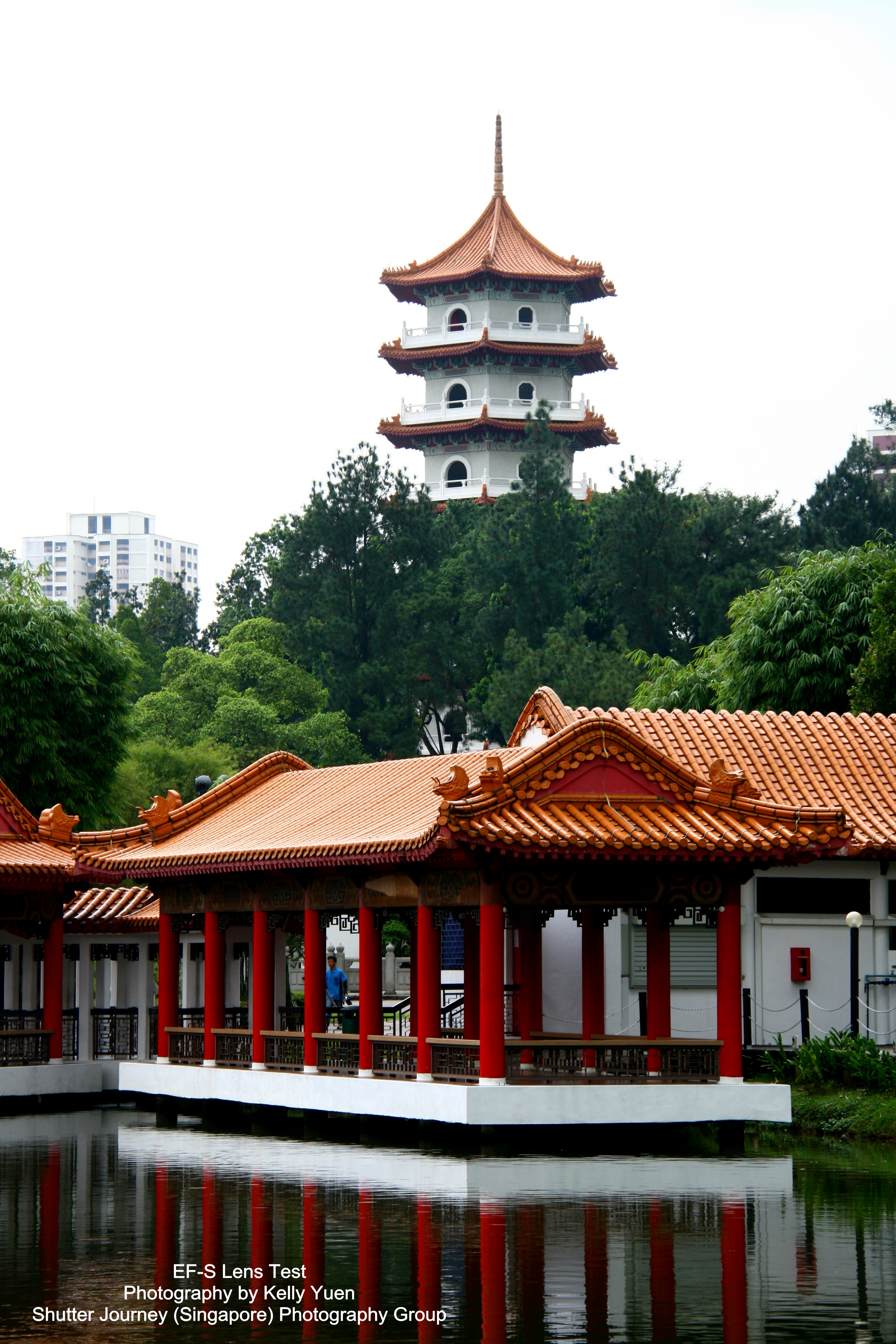
We came to a bridge that caught our attention. Seeing the peaceful lake with a nicely balance reflection of the bridge, Kelly shot the scene.


EF-S 18-135mm F3.5-5.6 IS, 1/160 F11 ISO 200.

A group of elderly was practising a fan dance, we got curious and got closer. Eventually, Kelly was right in front of the group and took this shot below.


EF-S 18-135mm F3.5-5.6 IS, 1/500 F5.6 ISO 800.

Great timing, great capture. Kelly’s decisiveness in photography always gets him natural shots of people and their activities. We left the group and ventured nearer to the water banks. Here, Kelly took this shot.


EF-S 18-135mm F3.5-5.6 IS, 1/500 F7.1 ISO 200.

Nice shot.  He then switched the lens to the EF-S18-200mm IS and he took a few more shots below.


EF-S 18-200mm F3.5-5.6 IS, 1/160 F7.1 ISO 200.


EF-S 18-200mm F3.5-5.6 IS, 1/200 F5.6 ISO 400.

We were too engrossed in shooting and did not realised the sky had (again!!) turn dark & gloomy again. As we made our way to the exit, Kelly shot the clouds.


EF-S 18-200mm F3.5-5.6 IS, 1/1600 F5.6 ISO 800.

We managed to get to the car in time and headed towards Kelly’s home which also happened to be at the west and within minutes’ drive from Chinese Garden.
At home, safe from the storm outside, Kelly decides to shoot the little indulgence we were having with the EF-S17-85mm IS USM.


EF-S 17-85mm F4-5.6 IS USM, 1/80 F5.6 ISO640.

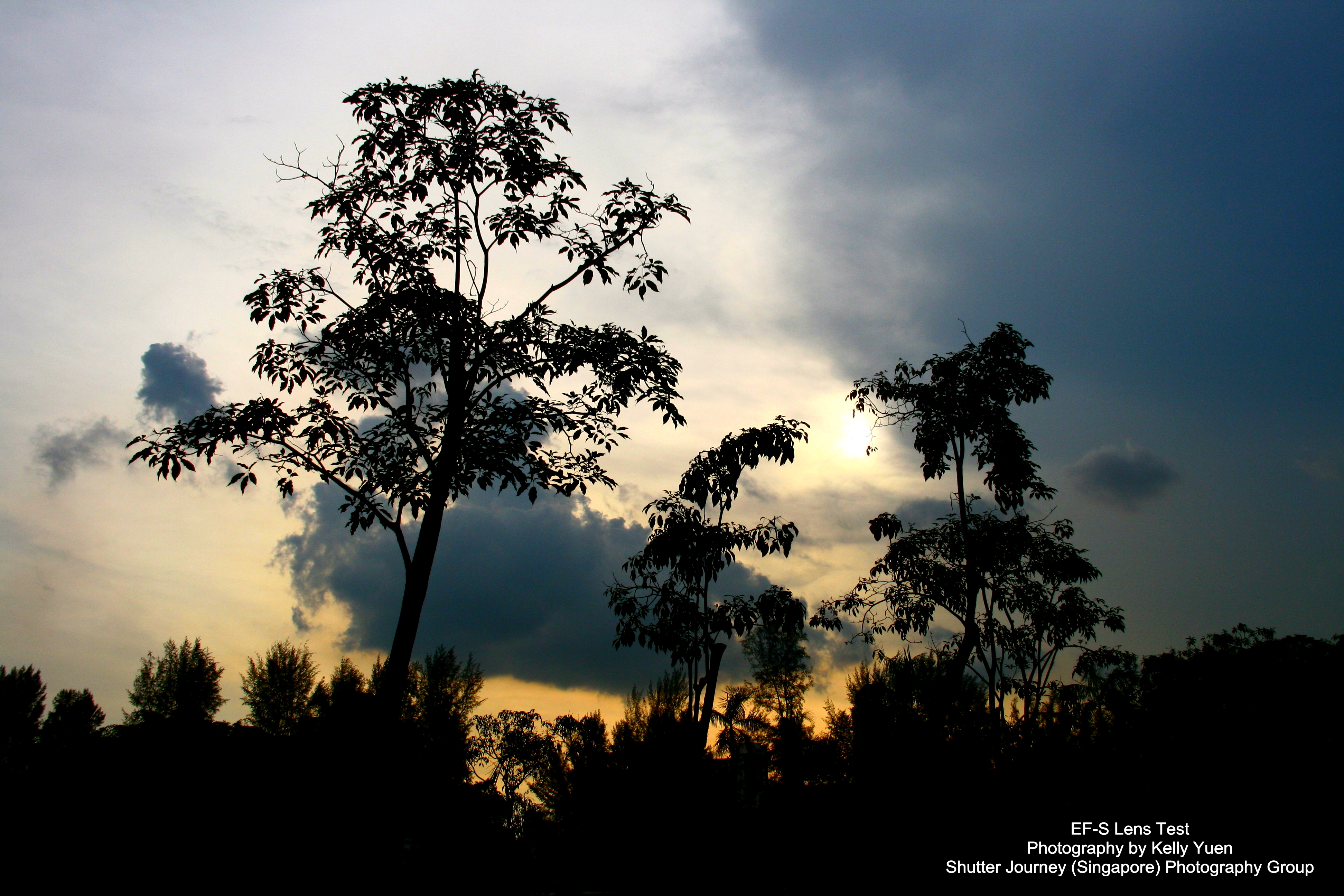
Yummy shot isn’t it? After that, we spent our time together and went through all the photos that Kelly took and cleaned all the lenses together. Time really flies, before we knew it, it’s Sunday evening and the storm had stopped. Kelly decided that we should capture the sun set and round the EF-S Lens shoot with a nice “parting shot”. We went to a park nearby his house and Kelly took the EF-S18-200mm IS and shot this.


EF-S 18-200mm F3.5-5.6 IS, 1/200 F5.6 ISO 400.

After that we parted for the weekend.
That night, while sorting out the photos for this article, I realised Kelly did not touched the EF-S 55-250mm at all. So I took it out 2 days later at a photography event and used the EF-S55-250mm IS to shoot the below shots with a Canon EOS 40D.


EF-S 55-250mm F4-5.6 IS, 180 seconds F22 ISO 100.


EF-S 55-250mm F4-5.6 IS, 1/50 F6.3 ISO 400.

With the above 2 shots, I have completed my “round” with the EF-S lenses. It’s a pity that I did not have the chance (due to availability) to test out the “higher end” EF-S lenses like the popular EF-S 17-55m F2.8 IS USM, the travel-to-portrait-master EF-S 15-85mm F3.5-5.6 IS USM, the landscape-must-have EF-S 10-22mm F3.5-4.5 USM & famous EF-S 60mm F2.8 Macro USM. But having said that, well, we had fun with what we were given and Kelly produced good photos with the EF-S lenses. I had fun too using these lenses doing long exposure & tried shooting the moon. Looking at this batch of photos, I am convinced that it’s not about what camera or lenses we have or use, it’s the person behind these equipments that makes the difference. So if you are using EF-S Lenses and complaining about the bad photos, look into the mirror, that’s the person to blame.
:)~

For more details on Canon’s EF-S & EF lenses, visit www.canon.com.sg

—————————————————————————————————–
Quick Information:
EF-S Lens Lineup today & Focal Range Chart. (As of March 2012)

Canon EF-S 10-22mm F3.5-4.5 USM
(16-35.2mm on Full Frame/ 35mm equivalent)
EF Closest Equivalent : Canon EF 16-35mm F2.8L II USM.

Canon EF-S 15-85mm F3.5-5.6 IS USM
(24-136mm on Full Frame/ 35mm equivalent)
EF Closest Equivalent : Canon EF 24-105mm F4L IS USM.

Canon EF-S 17-55mm F2.8 IS USM
(27.2-88mm on Full Frame/ 35mm equivalent)
EF Closest Equivalent : Canon EF 24-70mm F2.8L II USM.

Canon EF-S 17-85mm F4-5.6 IS USM
(27.2-136mm on Full Frame/ 35mm equivalent)
EF Closest Equivalent : Canon EF 28-135mm F3.5-5.6 IS USM.

Canon EF-S 18-55mm F3.5-5.6 IS II
(28.8-88mm on Full Frame/ 35mm equivalent)/ 7 versions
EF Closest Equivalent : Canon EF 24-70mm F2.8L II USM.
(* Remember the older EF 28-90mm kit lens that came with film SLRs?)

Canon EF-S 18-135mm F3.5-5.6 IS.
(28.8-216mm on Full Frame/ 35mm equivalent)
EF Closest Equivalent : Canon EF 24-105mm F4L IS USM.

Canon EF-S 18-200mm F3.5-5.6 IS.
(28.8-320mm on Full Frame/ 35mm equivalent)
EF Closest Equivalent : Canon EF 28-300mm F3.5-5.6L IS USM.

Canon EF-S 55-250mm
(88-400mm on Full Frame/ 35mm equivalent)
EF Closest Equivalent : Canon EF 100-400mm F4.5-5.6L IS USM.

Canon EF-S 60mm F2.8 Macro USM
(96mm on Full Frame/ 35mm equivalent)
EF Closest Equivalent : Canon EF 100mm F2.8 Macro USM or
Canon EF 100mm F2.8L IS USM.

Posted in Brand: Canon, Featured Photographers, Featured Photography Merchants, Photography Articles & Videos, Uncategorized | Tagged , , , , | 6 Comments

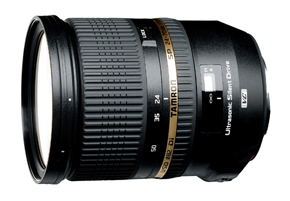
Tamron SP 24-70mm F/2.8 Di VC USD

Finally, the “elder” 28-75mm F2.8 gets an update. Being the the last brand to have a 24-70mm F2.8 in the line up, this lens is long awaited by Tamron fans.

Tamron introduces world’s first*1 full-size, high-speed standard zoom with built-in image stabilization – SP 24-70mm F/2.8 Di VC USD (Model A007)
– With class-leading resolution and Tamron’s proprietary VC (Vibration Compensation)

April , 2012, Saitama, Japan – Tamron Co., Ltd. (President & CEO: Morio Ono / Headquarters: Saitama City), a leading manufacturer of optical equipment, announced the introduction of the SP 24-70mm F/2.8 Di VC USD (Model A007), the world’s first*1 full-size high-speed standard zoom lens equipped with VC (Vibration Compensation) image stabilization and USD (Ultrasonic Silent Drive)*2, with resolution at the top of its class. The Canon mount will be released in Japan on April 26, 2012, with the sales dates of Nikon and Sony*3 compatible mounts to be announced later.

SP 24-70mm F/2.8 Di VC USD (Model A007)

Product Features

  • World’s first*1full-size, high-speed standard zoom with built-in VC (Vibration Compensation). Even when shooting in low-light conditions with a slow shutter speed to render sharpness, Tamron’s acclaimed VC allows for stable handheld camera work, to more fully enjoy the benefits of this high-speed zoom lens.
  • Uses specialized high-grade glass in the three LD elements, three Glass Molded Aspherical Lenses, one Hybrid Aspherical Lens and two XR (Extra Refractive Index) glasses, delivering top-of-the-class quality images suited to this high-grade lens. Using a rounded diaphragm*4, the lens achieves gorgeous blur effects.
  • Features USD*2(Ultrasonic Silent Drive) to power a speedy AF drive together with a continuous manual mechanism.
  • This high-speed standard zoom lens has a wide-end focal length of 24mm that expands the photographic area.
  • The lens adopts the new technology including the latest optical design, VC (Vibration Compensation) image stabilization and USD (Ultrasonic Silent Drive), all in a lighter and more compact package.
  • Moisture-resistant construction helps prevent water from penetrating the lens.

*1 For high-speed standard zoom lens compatible with full frame size SLR cameras. Current as of April 5, 2012. (Source: Tamron).
*2 USD (Ultrasonic Silent Drive) is Tamron’s proprietary ultrasonic motor drive.
*3 The Sony mount does not include VC, because the body of Sony digital SLR cameras includes image stabilization functionality.
The product name for Sony cameras is “SP 24-70mm F/2.8 Di USD” without the VC designation.
*4 This rounded diaphragm retains a nearly circular shape even when taken two stops down from its fully open state.

Specifications

Model: A007
Focal length: 24-70mm
Maximum aperture: F/2.8
Angle of view (diagonal): 84゜ 04′-34゜ 21′ (with full-size SLR cameras)
60゜ 20′-22゜ 33′ (with APS-C sized sensor digital SLR cameras)
Lens construction: 17 elements in 12 groups
Minimum focus distance: 0.38m (15.0 in)
Maximum magnification ratio: 1:5 (at f=70mm: MFD 0.38m)
Filter size: Φ82mm
Length*1 108.5mm (4.3 in)*
Entire length*2 116.9mm (4.6 in)*
Diameter: Φ88.2mm (3.5 in)
Weight: 825g * (29.1 oz)
No. of diaphragm blades: 9 (rounded diaphragm)
Minimum aperture: F/22
Standard accessories: Flower-shaped lens hood
Compatible mounts: Canon, Nikon, Sony

– Specifications, appearance, functionality, etc., may be changed without prior notice.
*Length, entire length and weight values given are for the Nikon mount.
*1: Length is the distance between the mount face and the tip of the lens.
*2: Entire length is the distance between the tip of the lens and the tip of the protrusion.

VC (Vibration Compensation)

VC (Vibration Compensation) is Tamron’s proprietary image stabilization system. Tamron’s VC is a three-coil system, whereby three driving coils activate the shake-compensating VC lens group electromagnetically via three ceramic balls. The VC lens elements are held in place only by contact with the ceramic balls, achieving smooth movement with little friction. This provides a stable viewfinder image with excellent tracking performance. And as the VC lens may be moved in parallel using only the motorized control, the mechanical structure has been simplified, enabling the creation of a more compact lens.

New VC system (moving coil method)

Tamron’s original VC image stabilization mechanism utilized a moving magnet system whereby a heavy magnet was positioned near the moving VC lens element. In the new VC unit the positions of the magnet and the coil are reversed, because of this the VC optical lens element is attached to the coil. The new VC mechanism employs a moving coil mechanism with a lightweight coil, and the lighter coil reduces the load on the drive system. Thus, the lighter, more compact new VC unit contributes to the lens’s overall light weight and compact size.

Because the 24-70 mm F/2.8 Di VC USD is a high-speed zoom lens with maximum aperture of F/2.8, its VC system must drive a lens that is larger and heavier than other zooms. Therefore, the shape, size and layout of the drive coils are all designed to obtain sufficient thrust. The result is a full-size, high-speed zoom that provides the same high level of compensation effect.

About the ultrasonic motor

In the ultrasonic motor, a piezoelectric element arranged in a ring formation generates ultrasonic vibrations in a metallic ring stator, and the vibration energy is used to rotate a metallic ring rotor that is attached to the stator. The rotation energy is in turn transferred from the metallic ring rotor to operate the focus lens.

Notice of Classification Code Change for Nikon Mounts

Since the introduction by Tamron of the first Nikon mount lens featuring an internal AF motor, the AF28-300mm F/3.5-6.3 XR Di VC (Model A20), all Nikon mount lenses with the internal AF motor had used the classification code “NII.” Lenses using a coupler system* without an internal AF motor were designated as “N.” Because future Nikon lenses will have the internal AF motor as a standard feature, Tamron has decided to simplify the designation and consolidate all Nikon mount lenses as “N,” eliminating the “NII” designation for future models. This classification code change will be effective beginning with the 18-270mm F/3.5-6.3 Di II VC PZD (Model B008).

The “N” classification lenses with coupler systems are: SP AF200-500mm F/5.6-6.3 Di (Model A08); and SP AF180mm F/3.5 Di (Model B01).

*Coupler system refers to a system that uses a shaft to harness the AF motor built into the camera body to operate the lens.

Posted in Brand: Tamron, Photography Articles & Videos, Uncategorized | Tagged , , | 1 Comment

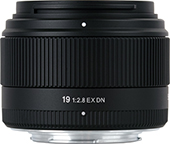
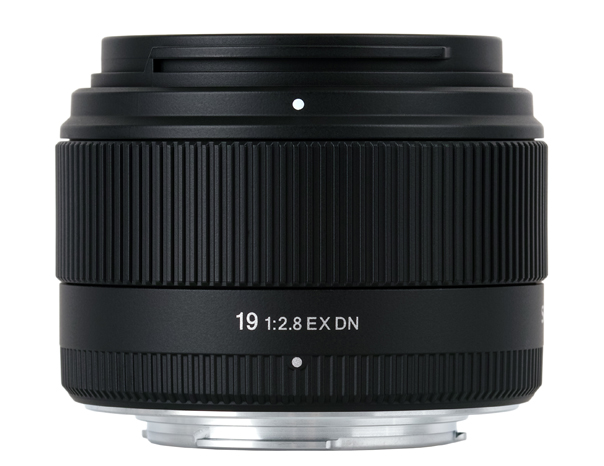
Sigma 19mm F2.8 EX DN

High-performance wide-angle lens, designed exclusively for mirrorless interchangeable lens cameras.

This high-performance standard lens has the equivalent angle of view as a 38mm lens (35mm equivalent focal length) on the Micro Four Thirds system and 28.5mm (35mm equivalent focal length) on the E-mount sytem. Three glass mold aspherical lenses provide excellent correction for distortion and field curvature.

The inner focusing system corrects the fluctuation of aberration to maintain image quality regardless of the focusing position. Sigma’s Super Multi-Layer Coating reduces flare and ghosting and provides high contrast images. The superior telecentric optical design improves the image quality throughout the frame. This lens benefits from a newly developed linear AF motor which moves the lens units directly without the need for gears or the drive of other mechanical parts. This systm ensures accurate and quiet autofocusing, making the lens suitable for video recording as well as still photos.

Wide-angle lens designed exclusively for mirrorless interchangeable lens cameras.
This high-performance wide angle lens has the equivalent angle of view as a 38mm lens (35mm equivalent focal length) on the Micro Four Thirds system and 28.5mm (35mm equivalent focal length) on the E-mount sytem. The compact and lightweight construction guarantees excellent mobility. It is ideal for many types of photography such as snapshots.
Superior image quality
Three glass mold aspherical lenses allow the lens to be compact and lightweight, and provide excellent correction for distortion and field curvature. It provides high image quality throughout the frame. The inner focusing system corrects the fluctuation of aberration to maintain image quality regardless of the focusing position.
Super Multi-Layer Coating
Sigma’s Super Multi-Layer Coating reduces flare and ghosting and provides high contrast images even in backlit conditions.
 
Superior telecentric optical design
The superior telecentric optical design improves the image quality throughout the frame.
 
Newly developed linear AF motor
This lens benefits from a newly developed linear AF motor which moves the lens unit directly without the need for gears or the drive of other mechanical parts. This system ensures accurate and quiet autofocusing, making the lens suitable for video recording as well as still photos.
 
Rounded diaphragm
The rounded 7 blade diaphragm creates an attractive blur.
 
Convenient handling
The wider focus ring ensures improved usability when manually focusing.
 
Minimum focusing distance of 20cm
This lens has a minimum focusing distance of 20cm and a maximum magnification ratio of 1:7.4.
 
 
ACCESSORIES
SIGMA DG UV 46 mm : 00-85126-92596-3
SIGMA DG WIDE CIRCULAR PL 46 mm : 00-85126-92597-0
LENS HOOD LH520-02 (Supplied) : 00-85126-92893-3
FRONT CAP LCF II 46mm (Supplied) : 00-85126-92882-7
REAR CAP LCR (Supplied) : For Sony E-Mount 00-85126-92884-1, For Micro Four Thirds 00-85126-92883-4
 
Lens Construction 8 Elements in 6 Groups
Angle of View 59.3° (Sony E-mount 73.5°)
Number of Diaphragm Blades 7pcs(Rounded Diaphragm)
Minimum Aperture F22
Minimum Focusing Distance 20cm / 7.9in.
Maximum Magnification 1:7.4
Filter Size Diameter 46mm
Dimensions Diameter 60.6mm× Length 45.7mm / 2.4in. × 1.8in.
Weight 140g / 4.9oz.
For Micro Four Thirds
 
Corresponding AF Mounts Micro Four Thirds, Sony E-Mount
Posted in Brand: Sigma, Photography Articles & Videos, Uncategorized | Tagged , , , | Leave a comment

Sigma APO 50-150mm F2.8 EX DC OS HSM

Large aperture telephoto zoom lens, designed exclusively for digital SLR cameras and incorporating Sigma’s original Optical Stabilizer function.

This large aperture telephoto zoom lens incorporates Sigma’s original OS (Optical Stabilizer) function which offers the use of shutter speeds approximately 4 stops slower than would otherwise be possible.  This enables hand held tele-photography easily.  Six SLD glass elements provide excellent correction for color aberration.  The Super Multi-Layer Coating reduces flare and ghosting and provides high image quality throughout the entire zoom range.  HSM ensures fast and quiet auto-focusing as well as full-time manual focusing capability. 

This lens incorporates an inner focusing and inner zooming system.  The overall length of the lens does not change during focusing and zooming, ensuring convenient handling.  This lens has a minimum focusing distance of 80cm and maximum magnification of 1:6.3.  The rounded 9 blade diaphragm creates an attractive blur to the out of focus areas of the image.  Sigma’s APO TELE CONVERTER can also be used with this lens if a longer focal length is required.

Sigma’s own unique OS technology
This lens is equipped with Sigma’s own unique OS (Optical Stabilizer) function.  This system allows the photographer to use shutter speeds approximately 4 stops slower than would otherwise be possible.  As compensation for camera shake is visible in the view finder, the photographer can easily check for accurate focus and ensure there is no subject movement.  The Optical Stabilizer unit has two modes, Mode 1 is ideal for general photography and Mode 2 is designed for panning subjects such as racing cars.
Superior image quality
Six SLD (Special Low Dispersion) glass elements provide excellent correction for color aberration.  The lens design provides correction for spherical aberration, ensuring high images quality throughout the entire zoom range.
F2.8 Large aperture throughout the entire zoom range
The narrow depth of field enables photographers to emphasize the subject and the large aperture provides a bright viewfinder image.  Together with the OS function, they help the photographer confirm accurate focusing.
Reduce Ghosting and Flare
The Super Multi-Layer Coating reduces flare and ghosting and provides high image quality even in backlight conditions.
HSM (Hyper Sonic Motor)
The Hyper Sonic Motor (HSM) ensures a silent, high-speed AF function as well as full-time manual focusing capability.
Close focusing capability
This lens has a minimum focusing distance of 80cm and maximum magnification of 1:6.3, making it ideal for close-up photography.
Convenient handling
This lens incorporates an inner focusing and inner zooming system.  The overall length of the lens does not change during focusing and zooming, ensuring convenient handling.  The inner focusing system also eliminates front lens rotation, making the lens particularly suitable for using circular polarizing filters.  A removable tripod collar (TS-21) is included as a standard component.
Rounded diaphragm
This lens has a rounded 9 blade diaphragm which creates an attractive blur to the out of focus areas of the image.
APO Tele-Converter (Optional)
The addition of Sigma’s 1.4x EX DG APO or 2x EX DG APO TELE CONVERTER produces a 70-210mm F4 AF telephoto zoom lens or a 100-300mm F5.6 AF telephoto zoom lens respectively.
Specification
Lens Construction 21 Elements in 15 Groups
Angle of View (for SD1) 31.7 – 10.8 degrees
Number of Diaphragm Blades 9 Blades (Rounded diaphragm)
Minimum Aperture F22
Minimum Focusing Distance 80cm / 31.5in.
Maximum Magnification 1:6.3
Filter Size Diameter 77mm
Dimensions Diameter 86.4mm× Length 197.6mm / 3.4in.×7.8in.
Weight 1,340g / 47.3oz.
for Sigma mount
Corresponding AF Mounts SIGMA,
NIKON (D),
CANON
* Vignetting will occur if the lens is used with a digital SLR which has an image sensor larger than APS-C size, a 35mm film SLR or an APS film SLR camera. * The appearance and specification are subject to change without notice.
Posted in Brand: Sigma, Photography Articles & Videos, Uncategorized | Tagged , , | Leave a comment

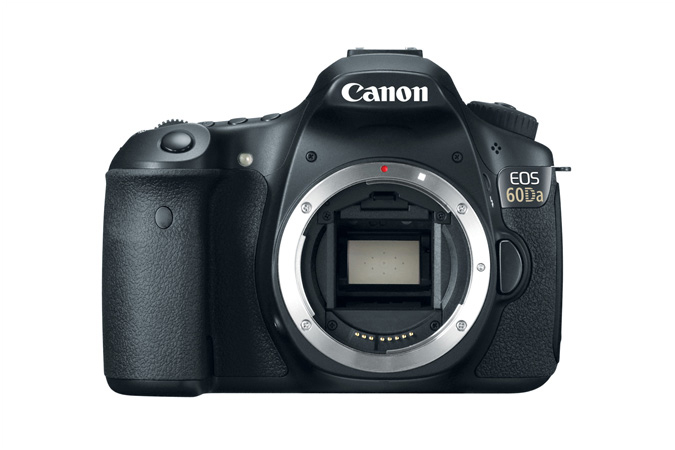
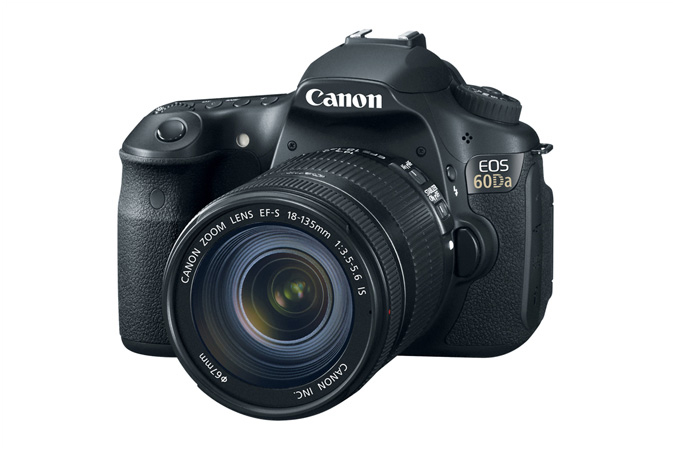
New Canon EOS 60Da DSLR Camera For Astronomy Enthusiasts

Captures The True Colors Of The Cosmos

April 3, 2012 – Canon U.S.A., Inc., a leader in digital imaging solutions, today introduced the EOS 60Da Digital SLR Camera, a long-awaited successor to the EOS 20Da that is optimized for astrophotography. This DSLR caters to astronomers and hobbyists who enjoy capturing the beauty of the night sky by offering a modified infrared filter and a low-noise sensor with heightened hydrogen-alpha sensitivity. These modifications allow the camera to capture magnificent photographs of “red hydrogen emission” nebulae and other cosmic phenomena.

“The EOS 60Da is a testament to the constant desire to meet the needs of every customer, including those in specialized fields,” said Yuichi Ishizuka, executive vice president and general manager, Imaging Technologies & Communications Group, Canon U.S.A., “This new camera enables an accurate depiction of a part of our solar system which is hard to achieve with conventional cameras but should be enjoyed and celebrated.”

The Canon EOS 60Da camera packs a powerful 18-megapixel CMOS sensor (APS-C) that produces sharp and high-contrast images of astronomical objects, a major enhancement over the EOS 20Da model’s 8.2-megapixel sensor. The improved infrared-blocking filter is a modification suited specifically toward astronomy enthusiasts to achieve a hydrogen-alpha light sensitivity that is approximately three times higher than that of a normal Canon DSLR camera. This produces a 20-percent higher transmittance of Hydrogen Alpha line, or H α wavelength, allowing astronomers to capture crisp, clear images of reddish, diffuse nebulae.

Enhanced Features

Crisp images of the stars and planets can be viewed on the EOS 60Da’s improved 3.0-inch Clear View LCD screen with 1,040,000 dots for detailed focusing. The flip-out Vari-angle screen allows photographers to adjust the screen for easy viewing without straining even while the camera is mounted to a telescope via a third-party T-ring adapter. Optimized for stargazing with friends or in an educational setting, astronomy enthusiasts can connect the camera to a TV with the provided AVC-DC400ST Stereo AV Video Cable and display the night sky on a TV monitor using the camera’s Live View mode. Moreover, the EOS 60Da’s Live View mode is equipped with a Silent Shooting feature that eliminates shutter-induced vibration for maximum camera stability when the camera is mounted to a telescope or super-telephoto EF lens.

Enhanced noise reduction on the EOS 60Da sensor offers photographers the ability to experiment with the wide array of ISO settings and increased ISO speeds up to 6400 expandable to 12800. Other features include an intelligent nine-point autofocus system, full manual controls, and RAW, JPEG, and RAW+JPEG image recording capabilities.

Accessories

The EOS 60Da helps capture the wonders of the night sky with its use of Canon’s award-winning EF and EF-S lenses along with other EOS accessories. Additionally, the EOS 60Da is packaged with Canon’s RA-E3 Remote Controller Adapter, providing the ability to connect a Canon Timer Remote Control such as the TC-80N3 (optional accessory). The TC-80N3 is ideal for controlling time exposures longer than 30 seconds as well as capturing a series of consecutive time exposures that can be composited during post-processing for improved image quality. This is especially useful when the camera body is connected to a telescopei or an EF super telephoto lens.

Canon has also included an AC adapter kit with the EOS 60Da, allowing the camera to be powered through an AC wall outlet or a battery-powered inverter, ideal for long exposure image or video capture at home or in the field.

Availability

As a specialized product, the EOS 60Da is only available to order from select authorized dealers. The estimated retail price is $1,499.00 and it is expected to be available this month.

*Not Available to Singapore.


About Canon U.S.A., Inc.
Canon U.S.A., Inc., is a leading provider of consumer, business-to-business, and industrial digital imaging solutions. With approximately $45.6 billion in global revenue, its parent company, Canon Inc. (NYSE:CAJ), ranks third overall in U.S. patents registered in 2011† and is one of Fortune Magazine’s World’s Most Admired Companies in 2012. Canon U.S.A. is committed to the highest levels of customer satisfaction and loyalty, providing 100 percent U.S.-based consumer service and support for all of the products it distributes. Canon U.S.A. is dedicated to its Kyosei philosophy of social and environmental responsibility. To keep apprised of the latest news from Canon U.S.A., sign up for the Company’s RSS news feed by visiting www.usa.canon.com/rss.
###
 

† Based on weekly patent counts issued by United States Patent and Trademark Office.

All referenced product names, and other marks, are trademarks of their respective owners.

Availability, prices, and specifications of all products are subject to change without notice. Actual prices are set by individual dealers and may vary.

i Independent third-party accessories are required to connect the EOS 60Da DSLR or any Canon EOS camera to a telescope.

Posted in Brand: Canon, Photography Articles & Videos, Uncategorized | Tagged , , | Leave a comment

Shhh… Sigma’s “Whisper” DN Lenses.

Sigma’s answer to the current crop of mirrrorless cameras in the current market came in the form of 02 new DN lenses.
Announced today, these 2 fast aperture lenses are made to “Whisper” and it operates quietly but retained the fast focusing speed.

Sigma 19mm F2.8 EX DN
-Sigma DN ( Digital Neo) lens: High performance lenses, designed exclusively for mirrorless interchangeable lens cameras.
-Ultra compact construction weighing only 4.9 oz and measuring 1.8 inches in length
-Newly developed linear AF motor ensures accurate and quiet autofocuing, making the lens ideal for video recording as well as still photos.

This high-performance wide angle lens is designed exclusively for mirrorless interchangeable lens cameras and has the equivalent angle of view as a 38mm (35mm equivalent focal length) on the Micro Four Thirds systems and 28.5mm (35mm equivalent focal length) on the E-mount systems.

Three glass mold aspherical lenses provide excellent correction for distortion, color aberration and field curvature. The inner focusing system corrects the fluctuation of aberration to maintain image quality regardless of the focal distance. Sigma’s Super Multi-Layer Coating reduces flare and ghosting and provides sharp and high contrast images even at the maximum aperture. The superior telecentric optical design improves image quality throughout the frame. This lens benefits from a newly developed linear AF motor which moves the lens elements directly without the need for gears or the drive of other mechanical parts. This system ensures accurate and quiet autofocusing, making the lens suitable for video recording as well as still photos. The lens features a rounded 7 blade diaphragm creating an attractive blur to the out of focus areas of the image. This Sigma 19mm F2.8 EX DN has a minimum focusing distance of 20cm/7.9in and a maximum magnification ratio of 1:7.4

Specifications: Sigma 19mm F2.8 EX DN

Lens Construction 8 Elements in 6 Groups
Angle of View 59.3 (SONY E-mount 73.5)
Number of Diaphragm Blades 7
Mininum Aperture f22
Minimum Focusing Distance 20 cm / 7.9 in
Filter Size (mm) 46 mm
Maximum Magnifications 1:7.4
Dimensions
(Diameter x Length)
60.6 x 45.7 mm/2.4 x 1.8 in
Weight 140g / 4.9oz.
Corresponding Mounts
E-mount  EX
Micro 4/3  EX
EX – EX Lens

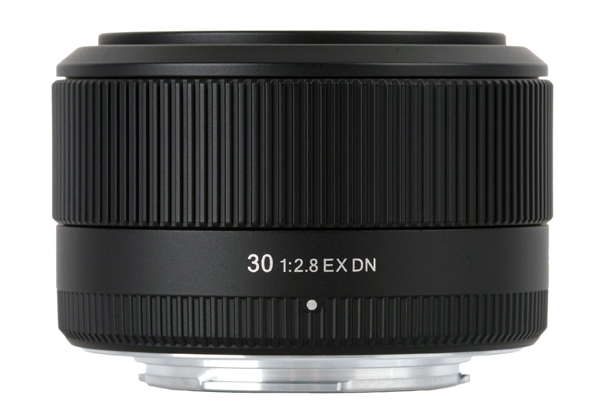
Sigma 30mm F2.8 EX DN
Sigma DN ( Digital Neo) lens: High performance lenses, designed exclusively for mirrorless interchangeable lens cameras.
– Ultra compact construction weighing only 4.8 oz and measuring 1.5 inches in length
– Newly developed linear AF motor ensures accurate and quiet autofocuing, making the lens ideal for video recording as well as still photos.


 This high-performance standard lens is designed exclusively for mirrorless interchangeable lens cameras and has the equivalent angle of view as a 60mm lens (35mm equivalent focal length) on the Micro Four Thirds systems and 45mm (35mm equivalent focal length) on the E-mount system.

Two glass mold aspherical lenses, including a double-sided aspherical lens, provide excellent correction for all types of aberration. The inner focusing system corrects the fluctuation of aberration to maintain image quality regardless of the focal distance. Sigma’s Super Multi-Layer Coating reduces flare and ghosting as well as provides sharp and high contrast images even at the maximum aperture. The superior telecentric optical design improves the image quality throughout the frame. The optical design also allows the lens to be compact and lightweight. This lens benefits from a newly developed linear AF motor which moves the lens elements directly without the need for gears or the drive of other mechanical parts. This system ensures accurate and quiet autofocusing, making the lens suitable for video recording as well as still photos. The lens features a rounded 7 blade diaphragm creating an attractive blur to the out of focus areas of the image. This Sigma 30mm F2.8 EX DN has a minimum focusing distance of 30cm/11.8in and a maximum magnification ratio of 1:8.1.

Specifications: Sigma 30mm F2.8 EX DN

Lens Construction 7 Elements in 5 Groups
Angle of View 39.6 (SONY E-mount 50.7)
Number of Diaphragm Blades 7
Mininum Aperture f22
Minimum Focusing Distance 30 cm / 11.8 in
Filter Size (mm) 46mm
Maximum Magnifications 1:8.1
Dimensions
(Diameter x Length)
60.6 x 38.6 mm/2.4 x 1.5 in
Weight 135g / 4.8oz.
Corresponding Mounts
E-mount  EX
Micro 4/3  EX
EX – EX Lens

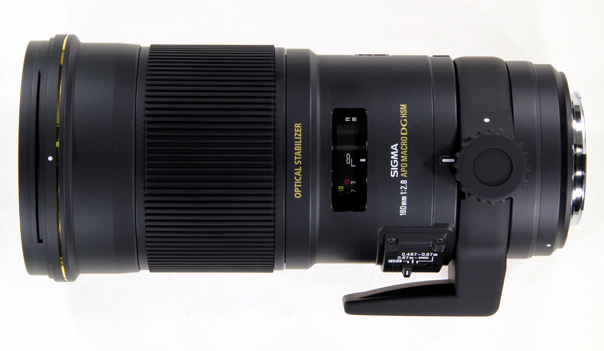
At the same time, Sigma launched its Sigma APO Macro 180mm F2.8 EX DG OS HSM
Currently, Sigma only made this available for its Sigma Mount. Once other Mounts are available, this lens will outsell the 150mm Macro that’s been under-selling while Tamron did well with the 180mm competing directly with Canon’s 180mm F3.5L.  This is good news to Canon users as well as other brand users who are looking for a well built, price competing and fast macro lens of this telephoto range. Let’s seee how soon will Sigma start to release this variant in other Mounts.

APO Macro 180mm F2.8 EX DG OS HSM
Designed for use with full frame digital SLR cameras. May also be used with smaller APS-c size sensors with a corresponding effective increase in focal length to about 260mm with most cameras
– Focuses down to 1:1 magnification ratio at its closest working distance of 18.5 inches
– Optical Stabilizer allows for hand held photography
– A lens hood, front & rear lens caps are included with the lens.

This is the world’s first 180mm macro lens incorporating a magnification ratio of 1:1 and a large maximum aperture of F2.8. It benefits from Sigma’s original Optical Stabilizer function and the wide F2.8 aperture allows faster shutter speeds for narrow depth of field, enabling photographers to emphasize the subject. Three FLD (“F” Low Dispersion) glass elements provide excellent correction for color aberrations. This lens incorporates Sigma’s floating inner focusing system. This minimizes aberrations which occur as shooting distances change, and enables stable rendering of the image from infinity to 1:1 magnification.

The Super Multi-Layer Coating reduces flare and ghosting and provides sharp and high contrast images even at the maximum aperture. Equipped with Sigma’s own propriety OS (Optical Stabilizer) system, this lens offers the use of shutter speeds approximately 4 stops slower than would otherwise be possible*, enabling handheld close-up photography. The incorporation of HSM (Hyper Sonic Motor) ensures quiet and high speed autofocus as well as full-time manual focus capability. This lens has a rounded 9 blade diaphragm creating an attractive blur to the out of focus areas of the image. At 1:1 magnification, this lens has a focusing distance of 47cm/18.5in, which is a greater working distance than shorter focal length macro lenses. This is advantageous when taking pictures of highly sensitive subjects such as butterflies and insects.

Attaching Sigma’s optional Tele Converter’s allows photographers’ to shoot with an even greater working distance or with a magnification ratio larger than 1:1. 

Lens Construction 19 Elements in 14 Groups
Angle of View 13.7
Number of Diaphragm Blades 9
Mininum Aperture f22
Minimum Focusing Distance 47 cm / 18.5 in
Filter Size (mm) 86
Maximum Magnifications 1:1
Dimensions
(Diameter x Length)
95 x 203.9 mm/3.7 x 8.0 in
Corresponding Mounts
Sigma   

*The appearance and specification are subject to change without notice.


Posted in Brand: Sigma, Photography Articles & Videos, Uncategorized | Tagged , , , , | Leave a comment

Through Green Lenses: A Semakau Mini-documentary/Film Making Contest 2012‏

The National Environment Agency and The Nature Society (Singapore), with the support of National Geographic Channel, have organized a mini-documentary/film making contest titled Through Green Lenses: A Semakau Mini-documentary/Film Making Contest 2012.

The contest aims to promote awareness of the rich biodiversity on Semakau (Singapore’s unique offshore landfill), and gives budding documentary and film makers the rare chance to capture Semakau’s natural beauty and win great prizes! Winners will also get to meet National Geographic Explorer Zeb Hogan, host of highly-rated documentary ‘Monster Fish’.

Through Green Lenses is a mini-documentary/ film making contest where you have the chance to capture and showcase the unique co-existence of waste management and rich biodiversity on Semakau. Semakau is a unique offshore landfill located south of the main island of Singapore, and also co-functions as a recreational destination for nature lovers. It boasts of scenic landscaping and vibrant biodiversity, making it the perfect stage for you to show your appreciation of nature and exhibit your documentary/ film making talents.

Here’s your chance to go to Semakau to film its interesting flora and fauna and win attractive prizes.

1st prize: Legria HF R 26 and cash worth $1500
2nd prize: Legria FS 46 and cash worth $1000
3rd prize: Legria FS 406 worth $500

Theme: Unique Co-existence of Waste Management and Rich Biodiversity
Duration of mini-documentary/film: 3 minutes or less

Important dates
:

22 Apr 2012 (2:00pm – 3:30pm)
Video skills workshop by professional film maker cum briefing session at Environment Building auditorium (along Scotts Road)

28 Apr 2012
Filming on Semakau
– You will have to provide your own video cameras.
– Lunch and afternoon tea will be provided.
– You will be loaned binoculars to enhance your nature viewing experience.

To register, download Entry Form.

Participation details:
– This competition is open to all Singaporeans and PRs above 12 years old.
– Participants can register either individually or in pairs.
– A registration fee of $10 per team applies.
– Registration is restricted to the first 45 teams that submit their Entry Forms and full registration fees to us.
– For enquiries, please email teryang@nss.org.sg.

Posted in Brand: Canon, Brand: Others (Cosina, Carl Zeiss, Leica, Mamiya, Samyang, Vivitar, Zenitar,etc), Photography Contests | Tagged , , , , | Leave a comment

Getty Images announces the winners of 2012 Mishmash remix challenge

“Beautifully modulated, intimate and simple” – R/GA, Chief Creative Officer, Nick Law on winning Mishmash video

Singapore – 22 March, 2012: Getty Images has today announced the winners of its annual Mishmash music/video/ remix competition. The competition, which launched in January, received 300 entries from around the world, with winners being divided between three regions: Asia Pacific , EMEA (Europe, Middle East and Africa) and the Americas, with one global overall winner also selected.

Jason Harper’s entry, In This Shop, which explores the place of a local business in modern day American society  and is set to a poem by Mark Anthony Thomas, was awarded the Global Grand Prix title, which chairman of the jury and R/GA, Chief Creative Officer, Nick Law described as “beautifully modulated, intimate and simple.” 

Other winners include:

Global Grand Prix and Americas:             
Jason Harper from the US for In This Shop

APAC:                                                                  
Marcia Hawira from New Zealand for Natalia

EMEA:                                                                  
Blake Dixon from the United Kingdom for The Newton N. Minow Experience

Public vote prize:                                           
Bartolome Barrero from Spain for Mother Nature whose work received 3350 votes from the public.  

In addition, a local prize was awarded to Singapore-based freelance editor Christie Madley for the best entry received in South-East Asia & Hong Kong. Madley’s video art, entitled  Lilac Chaserhttp://mishmash.gettyimages.com/en/entries/R14HFO, is a unique remix of experimental movement that creates a hallucinatory sensation.

Jury member and Leading Bollywood film producer Aashish Singh from Yash Raj Films, described Madley’s submission as “so colourful and meaningful”, while Toshiya Kono, Creative Director of Hakuhodo DY Media Partners Japan, commented that Madley’s remix “very unique, very original”.

Each of the winning entries cleverly blurred the lines between imagery and video to create works which both impressed and challenged the judges with their creativity, story-telling techniques, slick editing and innovative subject matter. 

Andrew Saunders, Senior Vice President, Creative Content, Getty Images said:  “Once again we have had an overwhelmingly positive response to Mishmash, which never fails to produce work that both inspires and surprises us. The high calibre of films really showcases our creative and engaging content and we feel that the shortlisted entries demonstrate the evolution of video and media as a growing and highly engaging communication platform. A huge congratulations to all of our winners.”

Getty Images received over 300 submissions from creatives in over 50 countries.

New for 2012, Mishmash entrants could choose to enter one of three categories: short story, music video or video art. Each film, which needed to be between one and three minutes long, was created using Getty Images video, music and imagery content.

The competition, which ran for two months, was judged by 29 of the world’s leading music, technology and film production professionals and was chaired by R/GA’s, Global Chief Creative Officer, Nick Law. Other judges included:

For more information on the Mishmash competition, or to view the award-winning entries, visit www.gettyimages.com/mishmash 


About Getty Images
Getty Images is one of the world’s leading creators and distributors of still imagery, video and multimedia products, as well as a recognized provider of other forms of premium digital content, including music.  Getty Images serves business customers in more than 100 countries and is the first place creative and media professionals turn to discover purchase and manage images and other digital content.  Its award-winning photographers and imagery help customers produce inspiring work which appears every day in the world’s most influential newspapers, magazines, advertising campaigns, films, television programs, books and Web sites.  Visit Getty Images at http://www.gettyimages.com to learn more about how the company is advancing the unique role of digital media in communications and business, and enabling creative ideas to come to life.

Posted in Featured Photography Merchants, Photography Articles & Videos, Uncategorized | Tagged | Leave a comment

Now shipping: the bold new PENTAX K-01‏


High design meets high technology in the PENTAX K-01, created by PENTAX and acclaimed industrial designer Marc Newson. This sleek, bold and tactile mirrorless is compatible with all PENTAX K-mount lenses, plus an insanely thin 40mm pancake lens, also designed by Newson. The refreshing K-01 is not your usual camera. Which is exactly why it might just be perfect for you.

Type

Digital Hybrid ILC

Sensor

Type: CMOS w primary color filter and integrated Shake/Dust Reduction sensor-shift system
Size: APS-C (23.7 x 15.7mm)
Color depth: 8 bits/channel JPG, 12 bits/channel RAW
Effective pixels: 16.28
Total pixels: 16.49
Recorded resolutions
Still 3:2: 16M (4928×3264), 12M (4224×2816), 8M (3456×2304), 5M (2688×1792)
Still 4:3: 14M (4352×3264), 11M (3840×2880), 7M (3072×2304), 4M (2304×1728)
Still 16:9: 13M (4928×2776), 10M (4224×2376), 6M (3456×1944), 4M (2688×1512)
Still 1:1: 10M (3264×3264), 8M (2880×2880), 5M (2304×2304), 3M (1728×1728)
Movie (resolution/FPS): 1920x1080p30/25/24, 1280x720p60/50/30/25/24, 640x480p30/25/24
Quality levels: *** Best, ** Better, * Good
Dust Removal: SP coating w ultrasonic vibration to low pass filter

Lens

Type/construction: PENTAX KAF2 bayonet stainless steel mount
Usable lenses: PENTAX KAF3, KAF2, KAF, and KA (K-mount, 35mm screwmount, 645/67 med format lenses useable w adapter and/or restrictions)
SDM function: Yes
Power zoom function: n/a

Focus System

Type: TTL Contrast Detection AF
Sensitivity range: EV 1-18 (ISO 100)
Focus modes: AF Single (w focus lock, focus/release priority selectable), Face Detection AF, Tracking AF, Manual
Focus point adjustment: Auto 81 Point, User-Selectable, Center
AF assist: LED dedicated AF assist lamp, AF Autozoom (2X, 4X, 6X), Focus Peaking

Viewfinder

Type: n/a

LCD Monitor

Type: 3.0” TFT color LCD w brightness/color adjustment
Resolution: 921,000 dots
Wide angle viewable: Yes (approx 170° horizontal/vertical)

Flash

Type: Retractable P-TTL auto popup flash
Guide number: 12m (ISO 100)
Coverage: 28mm equivalent
Flash modes: Auto, Auto + Redeye, On, On + Redeye, Slow Sync, Slow Sync + Redeye, Trailing Curtain Sync, Off
Flash exposure compensation: -2 to 1 EV

External Flash

Type: Hotshoe P-TTL, high speed sync w PENTAX dedicated flash
Synchronization speed: 1/180 sec

Storage Media

Internal memory: n/a
Removable memory: SD, SDHC, SDXC (UHS Speed Class 1 supported)

Interfaces

Ports: USB 2.0 hi-speed, AV out, HDMI out (Type C, Mini), 3.5mm stereo mic in
Video out: HD (via HDMI) NTSC, PAL
Printer interfaces: n/a

Power Supply

Power source: Rechargeable Li-Ion Battery D-LI90
Recordable images: Approx 540 (approx 500 w 50% flash, CIPA)
Playback time: Approx 320 min
Movie recording time: 25 min (max record time for a single file)
AC adapter available: Yes (optional)

Physical Specs

Body dimensions (W x H x D): 4.8 x 3.1 x 2.3”
Body weight
Without battery or removable memory: 16.9 oz
Loaded and ready: 19.8 oz
Construction material(s): Machined aluminum frame with rubber accents
Weather resistant: n/a
Operating temperature: 32-104°F

Language Support

English, French, German, Spanish, Portuguese, Italian, Dutch, Danish, Swedish, Finnish, Polish, Czech, Hungarian, Turkish, Greek, Russian, Korean, Traditional/Simplified Chinese, Japanese

Image Stabilization

Type: Sensor-shift Shake Reduction (4 stops max)

Metering System

Type: TTL image sensor metering
Sensitivity range: EV -1 to 21 (ISO 100, 50mm F1.4)
Multi-segment: Yes (1024 segments)
Center weighted: Yes
Spot: Yes
Exposure compensation: +/- 3 EV (1/3 and 1/2 steps)
Exposure lock: Yes (via AF/AE-L button)
Exposure bracketing: Yes (3 frames, up to +/- 3 EV in 1/2 steps)

ISO Sensitivity

Auto: ISO 100-12800 (1, 1/2, 1/3 steps), expandable to ISO 100-25600, auto ISO range selectable
Manual: ISO 100-12800 (1, 1/2, 1/3 steps), expandable to ISO 100-25600,

White Balance

Auto preset modes: Auto, Daylight, Shade, Cloudy, Fluorescent (D, N, W, L), Tungsten, Flash, CTE
Manual mode(s): Yes
* WB fine adjustment available in all modes

Shutter

Type: Electronically controlled focal plane shutter
Shutter speed: 1/4000 to 30 sec (1/3 or 1/2 steps), Bulb

Capture Modes

Mode selection: Auto Picture, Scene (SCN), HDR (JPG only), Flash Off, Bulb (B), Metered Manual (M), Aperture Priority (Av), Shutter Priority (TV), Program (P), Movie
Auto Picture modes: Standard, Portrait, Landscape, Macro, Moving Object, Night Scene Portrait, Night Scene, Blue Sky, Forest
Scene modes: Portrait, Landscape, Macro, Moving Object, Night Scene Portrait, Sunset, Blue Sky, Forest, Night Scene, Night Scene HDR (JPG only), Night Snap, Food, Quick Macro, Pet, Kids, Surf & Snow, Backlight Silhouette, Candlelight, Stage Lighting, Museum
Custom Image modes (including fine adjustment): Bright, Natural, Portrait, Landscape, Vibrant, Radiant, Muted, Bleach Bypass, Reversal Film, Monochrome (including film filters, infrared, sepia toning), Cross Processing (creative random effect generation)
Green simplified mode available: Yes
Face detection available: Yes
P/A/S/M/B: P, A, S, M, B
Date stamp: n/a
Digital filters (capture): Extract Color, Toy Camera, Retro, High Contrast, Shading, Invert Color, Color
Dynamic Range adjustment: Yes (highlight and shadow correction)
Digital level: n/a
File/Folder customization: Folder name (standard, date), embed copyright

Drive Modes

Mode selection: Single, Continuous (Hi, Lo), Self Timer (12s, 2s), Infrared Remote (0s, 3s), Auto Bracketing (3 frames, up to +/- 3 EV in 1/2 steps)
Continuous FPS: Approx 6 FPS (JPG, Continuous Hi), Approx 3 FPS (JPG, Continuous Lo)
Multi-exposure: Yes (2-9 shots, auto exposure adjustment selectable)
Interval: Yes (1s to 24h, up to 999 shots, delayed start available)
HDR: Auto, HDR1, HDR2, HDR3, (HDR blended images saved as JPG only)

Playback Modes

Mode selection: One Shot (no data, standard data, detailed data, histogram, color channel histogram), Multi Image Display (4, 9, 16, 36, 81 thumbnails), Magnification (up to 16X, scrollable, quick zoom), Movie Playback (no data, standard data, detailed data), Image Rotation, Bright/Dark Indication, Copyright Info, Calendar Filmstrip, Folder, Save RAW Data From JPG (if available in buffer memory), Select & Delete, Slideshow
Mode pallet: Image Rotation, Digital Filter, Resize, Cropping, Index, Protect, Slideshow, Cross Processing, RAW Development, Movie Edit, DPOF
Digital filters (playback): Monochrome, Extract Color, Toy Camera, Retro, High Contrast, Shading, Invert Color, Color, Tone Expansion, Sketch Filter, Watercolor, Pastel, Posterization, Miniature, Soft, Starburst, Fisheye, Slim, Base Parameter Adj
Movie edit: Movie Divide, Delete Frames, Save JPG

File Formats

Still: RAW (DNG), JPG (EXIF 2.3), DCF 2.0 compliant, DPOF, PIM III
Movie (compression): MP4 (AVC h.264), AVI/MJPG for Interval Movie

Custom Functions

Functions available: 16

Computer Requirements

*For direct device connectivity. Bundled software requirements may vary.
Windows: Windows XP (SP3), Vista, 7, USB port
Mac: 10.4, 10.5, 10.6, 10.7, USB port

Posted in Brand: Pentax, Photography Articles & Videos, Uncategorized | Tagged , | 1 Comment

Canon EOS system celebrates 25th anniversary


TOKYO, March 2012—Canon Inc. and Canon Marketing Japan Inc. announced today the celebration this month of the 25th anniversary of the launch of Canon’s EOS system, which includes the EOS series of single-lens reflex (SLR) cameras and a diverse range of accessories for the system beginning with the company’s rich lineup of interchangeable EF lenses.

Canon’s EOS system made its debut in March 1987 with the launch of the EOS 650 SLR camera and three interchangeable EF lenses, including the EF35-70mm f/3.5-4.5. This month, the system will commemorate its long, rich history with the celebration of its 25th anniversary.

Standing for “Electro Optical System” while also carrying the name of the Greek goddess of the dawn, the EOS series saw first light in 1987 as the world’s first fully electronic mount system, representing a new generation of AF SLR cameras. During the film-camera era, EOS SLR cameras garnered high acclaim from a wide range of users for their innovative technologies and designs focused on Canon’s key concepts of high speed and ease of use. During this period, the company launched the top-of-the-line professional-model EOS-1 in 1989 and, with the introduction of the compact, lightweight EOS Kiss (EOS Rebel XS and EOS 500 in other regions) in 1993, succeeded in expanding its user base.

Following the introduction of the EOS D30 in 2000, when the popularization of digital SLR cameras was in full swing, Canon developed such advanced technologies as its proprietary CMOS sensors and high-performance DIGIC digital image processors in an effort to offer products that fulfilled the company’s new key concepts of high speed, ease of use and high image quality.

With the flagship EOS-1D X at the apex and the newly introduced EOS 5D Mark III, boasting excellent image quality and video functionality, Canon’s rich digital SLR camera lineup serves the needs of all levels of users, from professional photographers to entry-level photo enthusiasts.

Additionally, Canon’s interchangeable EF lens series, introduced together with the EOS SLR camera system, has come to lead the industry. With Canon’s optical technologies at its core, EF lenses incorporate such innovative technologies as the Ultrasonic Motor (USM), Image Stabilization (IS), Subwavelength Structure Coating (SWC) anti-reflection technology, and multi-layered diffractive optical (DO) elements. The current EF-lens lineup comprises over 60 models, making possible a diverse range of imaging-expression possibilities.

Furthermore, with the recent launch of the Cinema EOS System of professional digital cinematography products, Canon’s EOS system now supports motion picture production and other high-end video capture applications.

Canon will continue to refine it diverse imaging technologies based on its core optical technologies, striving to produce exceptional and reliable cameras and lenses that cater to the varying needs of users while contributing to expanding the culture of photographic and video imaging.

Posted in Brand: Canon, Photography Articles & Videos, Uncategorized | Tagged , , , , , , | 1 Comment

Felicia Chin headlines Olympus’ booth at IT Show 2012 !

Date    :           8 – 11 March 2012 (Thursday to Sunday)

Time   :           12 noon – 9 pm

Venue :           Suntec International Convention and Exhibition Centre 
                  
          Level 4, Hall 404

Booth No:      8205

Olympus Imaging Singapore is pleased to announce that its latest range of PEN series mirrorless interchangeable lens cameras, compact cameras, voice recorders and wide range of fashionable camera accessories will be available at IT Show 2012 for shoppers looking for the latest gadgets or attractive promotions.

“Felicia Chin & XZ-1” Campaign Rolls Into IT Show 2012  

As part of the “Felicia Chin & XZ-1” campaign, Felicia Chin will be making a special appearance at the show for a photo-taking session with selectedOlympus customers. The first 88 customers who purchase an Olympus XZ-1 between 1 February and 10 March 2012 will be entitled to a redemption of an exclusive Feli-XZ-1 mystery gift set and have their photo taken with Felicia Chin at Olympus’ IT Show booth with the official receipt and warranty card.

Note: Felicia Chin will meet the 88 Olympus customers on 10 March 2012, Saturday, between 3pm – 5pm.

Olympus IT SHOW 2012 Star Buys Highlights

(1) Olympus PEN mini E-PM1 (Single Lens Kit) New Generation System Cameras

Retail Price: S$868

IT Show 2012 Promotional Price Bundle: S$598 + Free Gifts worth S$275

Total Savings: S$270 cash discount + S$275 worth of free gifts = S$545

Launched in June 2011, the Olympus PEN mini E-PM1 is the first in this new line of new generation system cameras. With the new “PEN mini” series,Olympusbrings the concepts of ultra-compactness, simplicity and stylishness to SLR photography, aimed directly at first-time interchangeable lens digital camera users. Packed with Live Guide, six Art Filters, and six body color variations, the E-PM1 is the product of the pursuit of simplicity and stylishness.

(2) Olympus μTOUGH-6020 – The Must Have Perfect TOUGH Companion for Every School Excursion!

Retail Price: S$498

IT Show 2012 Promotional Price Bundle: S$198 + Free Gifts worth S$206 + S$20 Fair Price Gift Vouchers (first 88 customers). Customers with cut-out coupon from The Straits Times, The New Paper and/or TODAY can redeem additional S$20 Fair Price Gift Vouchers (while stocks last).

Total Savings: S$300 cash discount + S$246 worth of free gifts = S$546

Olympus’s µTOUGH series of compact digital cameras feature a waterproof, shockproof and freezeproof design that assures reliable, high-quality shooting under conditions that ordinary cameras would be unable to endure, such as underwater or in cold winter conditions. From the tranquil to the turbulent, whatever the conditions, whatever the situation, this camera assures great results, giving users the opportunity to expand their enjoyment of photography. The Olympus TOUGH TG-6020 is the must have perfect TOUGH camera for every school excursion!

(3) Olympus XZ-1 – Flagship Compact Digital Camera

Retail Price: S$748

IT Show 2012 Promotional Price Bundle: S$598 + Free Gifts worth S$145

Total Savings: S$150 cash discount + S$279 worth of free gifts = S$429

The Olympus XZ-1 is the flagship model in the brand’s compact digital camera line-up, featuring outstanding picture performance that comes close to SLR quality in a slim profile and high-quality finish. In April 2011, the outstanding qualities of the Olympus XZ-1 were formally recognised as the “Best Expert Compact Camera” at the TIPA Awards 2011 and also won the prestigious Red Dot Design award 2011.

(4) Olympus VG-110 – Simple to Use Camera Even for Novices

Retail Price: S$198

IT Show 2012 Promotional Price Bundle: S$88 + Free Gifts worth S$145

Total Savings: S$110 cash discount + S$145 worth of free gifts = S$245

The Olympus VG-110 is equipped with 4x zoom lens from wide angle of 27mm in a slim, stylish body. Equipped with an abundant array of easy-to-use automatic functions like iAUTO which enables any user to easily take beautiful pictures, and automatic tracking AF for face detection, it is simple to use even for novices.

(5) Olympus VR-310 – 10x Optical Zoom using Lithium Battery

Retail Price: S$328

IT Show 2012 Promotional Price Bundle: S$188 + Free Gifts worth S$231 + S$20 Fair Price Gift Vouchers (first 88 customers)

Total Savings: S$140 cash discount + S$251 worth of free gifts = S$391

Equipped with 10x zoom lens from wide angle of 24mm to 240mm in a slim, stylish body, Olympus VR-310 is perfect for weddings, trips, and other events when you need a “small and powerful zoom”. It also features the high-level image stabilization DUAL IS function, an abundant array of easy-to-use, automatic functions like iAUTO which enables any user to easily take beautiful pictures and automatic tracking AF for face detection in a slim body. Moreover, HD movies with AVI Motion JPEG format are available by the dedicated Movie REC button without selecting Movie mode from the menu.

About Olympus Imaging Singapore

Olympus Imaging Singapore is the unparalleled industry leader in opto-digital technologies, delivering award-winning digital imaging products for the consumer and professional markets in Singapore. Driven by a strong commitment in providing innovative products and solutions of the highest quality, Olympus Imaging Singapore works closely with industry partners, customers and other Olympus business units in producing leading-edge products. These include analogue and digital cameras, professional SLR imaging systems, and voice recorders, amongst others. Olympus Imaging Singapore’s unrelenting efforts in superior customer service also bear testimony to its brand promise of delivering the best user experience to all consumers and professional users in the imaging field. For more information, please visit http://www.olympusimage.com.sg.

Posted in Brand: Olympus, Photography Articles & Videos, Uncategorized | Tagged | Leave a comment

Sigma 17-50mm F2.8 EX DC OS HSM – Wise Business Decision

The words “Fast F2.8 Standard Zoom” describing a lens may not have the same instant mystique and cachet as say,  “ultrawide” and “supertelephoto.” But for many a breed of photographer–wedding and location portrait specialists, for example–there’s no mistaking the importance of this workhorse lens. For APS-C shooters, the Sigma 17-50mm F2.8 EX DC OS HSM is a gigantic leap upwards in terms of overall performance compared to the variable aperture standard zoom kit lenses shipped with so many DSLRs.

Kit lenses are a great way to get started and learn, but when it comes to professional-quality results to satisfy the most discriminating photographers–not to mention their paying clients–the fast, constant-aperture standard zoom is the way to go. At first, it might seem redundant to purchase glass like the Sigma 17-50mm F2.8 EX DC OS HSM when there’s likely already a variable aperture kit lens in the bag that covers virtually the same focal range. And yes, the desire to add a longer, or wider, specialty lens is a strong urge, and maybe you’ll add one of those to your kit first. But whenever you do decide to swap the kit lens for a fast F2.8 standard zoom, you’ll immediately notice the advantages. You might say the difference between a variable aperture kit and a fast constant-aperture standard zoom is night and day; but I’ll choose to say it in terms of F/stops and bokeh.

The Sigma 17-50mm F2.8 EX DC OS HSM (fullframe equivalency: approximately 28-80mm on 1.6x APS-C cameras) zooms a bit wider, and a bit longer, than normal perspective while keeping the maximum aperture at a fast F2.8 all the while. And it captures this focal range for exceptional, professional-quality results. In fact, the testing lab, DXOMark.com states that its  “tests tend to prove that the Sigma 17-50mm F2.8 EX DC OS HSM Nikon is so good that it even surpasses its competitors from Nikon and Canon which are twice as expensive.”

This is a few stops slower than a fixed F1.4 standard prime, but what you gain in terms of compositional versatility without having to physically relocate to reframe is very well worth it when you are not in total control of the situation. In other words, with a quick rack of the zoom, you can quickly and easily frame much tighter or looser as a wedding ceremony unfolds without having to swap lenses, or shooting position. And this very well may make the difference between missing a key moment as you juggle gear, or causing a bit of ruckus as you race through the chapel to recompose!

Variable aperture zooms always lose light-gathering ability as you zoom to longer focal lengths–that’s just how it works with optical physics. And the difference between F5.6 and F2.8 at maximum zoom is the difference between ISO 1600 and ISO 400, or between 1/15 second and 1/60 second. And that may very well be the difference between sharp, low-noise images, and motion-blurred shots with ugly shadow artifacts in the captured memories of a client.  (Remember, Optical Stabilizer can only minimize camera motions during capture, as explained in great depth here.)

Another key benefit of a constant-aperture zoom is that there’s no shift of exposure or overriding of settings as you zoom, which happens with variable aperture lenses. So, if you are in metered manual mode, and you’ve locked in an exposure off a bride’s blushing cheek, you can easily zoom in or out without seriously impacting your creative decisions. If you’ve decided on 1/100 @ F2.8 at 17mm and then want to quickly zoom in for a magic expression, you’ll still get 1/100 @ F2.8 at 50mm. Try the same thing with an 18-55mm F3.5-5.6 kit lens @ 1/80 at 18mm and zoom in to 55mm @ F5.6 and your shutter speed is going to have to drop a few stops, or the ISO will have to climb. Or depending on your particular camera settings, you may wind up underexposing the shot by a few stops if you zoom in and it keeps with your manual decisions.  There’s a workaround, which is to limit your maximum aperture to the variable aperture maximum, but this isn’t necessarily a great way to go.

And of course, the same holds true with lighting. If you’ve got a couple of non-TTL studio heads on light stands, you’re going to want to lock in your exposure settings on your camera. And if you’ve got a kit variable aperture standard zoom on your camera, that limits you to making sure you’re stopped down to the maximum value at telephoto to make sure you don’t seriously blow out the exposures as you go wider. (In other words, when shooting with studio strobes with a variable aperture zoom, you’ve got to make the lens act as though it is only capable of it maximum telephoto aperture at all focal lengths…to make it act like a much slower constant-aperture zoom!)

The focal range of the standard zoom lens is great for capturing people in the environment. You can go wider to make it more of an overall scene-setting shot, and then zoom in to tighten the composition and soften the bokeh even more while still painting the environment’s signature elements in the background–soft, with lovely separation, but still recognizable. Sometimes turning the background to pure abstractions is a good thing, but, many clients will actually want to be able to recognize the location they selected for their shoot!  And while the 28mm equivalent widest angle might not be the widest lens out there by a wide margin, there’s very little body image distortion at the 17mm focal length, even when the subject is very close to the edge of the frame and near the camera. Serious subject distortion may work well for skateboard action shots, but when there’s brides involved, not so much!

The Sigma 17-50mm F2.8 EX DC OS HSM is a top-quality tool for working pros, as well as enthusiasts who demand the utmost in image quality in a fast standard zoom lens.

The Sigma 17-50mm F2.8 EX DC OS HSM is also a fantastic lens for landscape and documentary photography, too! Check out the fantastic images Sigma Pro David Fitzsimmons created with this fast standard zoom in this Lens Exploration blog posting.

Originally Posted on: http://blog.sigmaphoto.com/2012/why-upgrading-to-the-sigma-17-50mmf2-8-ex-dc-os-hsm-is-a-wise-business-decision/

Posted in Brand: Sigma, Photography Articles & Videos, Uncategorized | Tagged , , | Leave a comment

Sigma Corporation of America announces new name, pricing for flagship SD1 camera

– World’s first full color image sensor: Foveon X3 46 Megapixel image sensor
– Splash proof design prevents dust and water from getting inside the camera body
– 46 megapixel
– True II Image processing engine
– CFcard
– A lightweight yet solid magnesium alloy body designed to withstand rough use and shocks in harsh conditions.
– Large, highly visible 3.0′ TFT color LCD Monitor
– Housed in solid magnesium alloy body

2012 – In a personal letter to the company’s loyal customers, Sigma Corporation CEO Kazuto Yamaki today announced that, starting next month, Sigma’s 46-megapixel SD1 DSLR will be renamed the SD1 Merrill in honor Richard “Dick” Merrill, the late co-creator of the Foveon X3 Direct Image Sensor technology. The otherwise unchanged DSLR will also be sold at a lower price that reflects new efficiencies in the camera’s production. 

 
The SD1 Merrill will be sold for approximately $3,300 MSRP in the United States.
 
Today Yamaki wrote:
 
 
To our valued customers,
 
We would like to express our appreciation for your loyal patronage of Sigma products.
 
Today, we announced our new digital single lens reflex camera, the Sigma SD1 Merrill. This product has the same features, performance, and specifications as the Sigma SD1, however, the price is substantially revised. We are gearing up for its release in March 2012, and the market price is expected to be approximately $3,300 MSRP.
 
At the time of its introduction, the Sigma SD1 was a revolutionary product incorporating a 46MP* direct image sensor which provided the highest resolution in a digital SLR camera. As the world’s only full-color sensor capturing all three primary color components (R, G, and B) within each pixel location, the Foveon X3 Direct Image Sensor made it possible for the image quality of SD1 to not only demonstrate improved resolution, but also to obtain richer expressions of gradation, as well as to enhance the three-dimensional impression which is specific to Foveon sensors. *Resolution equivalent to 30MP on a color filter array sensor
 
However, even with this revolutionary image sensor, we could not solve issues related to some of the manufacturing methods before the start of mass production, and the production cost ended up substantially exceeding our originally expected price. As a result, we had no choice but to set the price of the SigmaSD1 high. This caused great discouragement to all of you who looked forward to its release, and wished to experience the very unique image quality of the Sigma SD1 in person; this has become our biggest disappointment and pain.
 
Since then, overcoming this situation has become the first priority for us and Foveon, and we have together made improvements to reduce production cost substantially. Even though this effort took nearly a year, at last, we achieved a reduction target close to the price we originally planned. Therefore, we decided to release Sigma SD1 as a new product, and were able to make our recent announcement.
 
The Sigma SD1 Merrill keeps the best image quality of the Sigma SD1, which has a unique identity, but comes with a substantially revised price. Although some of the manufacturing methods have been enhanced, the performance and characteristics of the sensor itself have not changed. There is nothing more pleasurable for us than enabling our valued customers to experience the Sigma SD1 Merrill in person, as a digital SLR camera of a new era which inspires photographers’ inner artistic sensitivity, providing “high image quality” and changing current perceptions of what is possible.
 
On the other hand, we fully understand that it is not acceptable to current Sigma SD1 users that a new product with exactly the same specifications as their camera is being released with a substantially revised price a year later. After all, those customers committed to purchasing the Sigma SD1 with great expectations.
 
During this period, we have seriously considered how we can express our appreciation for our Sigma SD1 customers. Currently, we have a plan to offer a support program for current Sigma SD1 owners. This support program will provide points that can be exchanged for our products. This program is expected to be valid after the release of Sigma SD1 Merrill and it will last until the end of this year, 2012. It will be applicable for all Sigma products including both current and new products to be released this year. More details will be available soon; we appreciate your kind understanding as we finalize this program.
 
We would like to once again express our appreciation to current Sigma SD1 owners, and other customers who are looking forward to our next DSLR camera, for your loyal patronage to Sigma. We will continue doing our best with the aim to design and manufacture ideal photographic equipment that inspires the artistic hearts of photographers everywhere. We sincerely value your continued support.
 
Kazuto Yamaki
Chief Executive Officer
SIGMA CORPORATION
 
Sigma Corporation of America will soon contact current Sigma SD1 owners in the United States to discuss the support program and the redemption of points with the company as a result of this pricing change. In the meantime, SD1 owners in the United States may contact Director of Marketing Christine Moossmann by emailing Cmoossmann@sigmaphoto.com with questions or concerns about this announcement.
 
To locate an authorized Sigma dealer nearest to you, visit www.sigmaphoto.com/where/where.asp. For information about Sigma Corporation of America, visit www.sigmaphoto.com.
 
About Sigma Corporation
For more than 50 years, Sigma Corporation’s expertise and innovation has driven the company’s core philosophy of “knowledge, plus experience, plus imagination,”with anemphasis on producing high-quality, high-performance photographic technology at moderate prices. This family-owned organization is the largest, independent SLR lens manufacturer in the world, producing more than 40 lenses that are compatible with most manufacturers, including Sigma, Canon, Sony, Nikon, Olympus, Panasonic and Pentax. Sigma Corporation also produces digital SLR cameras and high-definition digital compact cameras. The company is headquartered in Japan, with offices strategically located throughout Europe, Asia and North America. For information, please visit www.sigmaphoto.com
Posted in Brand: Sigma, Featured Photography Merchants, Photography Articles & Videos, Uncategorized | Tagged , | Leave a comment

iStockphoto Featured in New Selection of Immersive Full-Page iGoogle Themes

Singapore: March 6, 2012 — iStockphoto today announced a partnership with iGoogle to bring users a new selection of attractive, immersive full-page themes.  In addition, iGoogle users will receive a 20-percent iStockphoto discount when they visit www.istockphoto.com/igoogle.php.

In addition to adding gadgets for Gmail, news, photos, weather and more, users can now further personalize their iGoogle pages with background themes featuring iStockphoto, including their favourite themes from Gmail.

iStock is the original microstock and is the web’s favored source for user-generated, royalty-free stock photos, illustrations, video, audio and Flash ™ and offers more than 10 million files.  Offering the best search tools in the microstock industry, iStock makes it easy for people to find the perfect image quickly.

“iGoogle provides tens of millions of people around the world with a personalized Google experience and the new themes featuring iStock imagery will help users make their pages more engaging,” said Rebecca Rockafellar, Senior Vice President of E-Commerce at Getty Images and General Manager of iStockphoto. “Since Google began incorporating our imagery into template designs for Blogger.com and most recently, themes for Gmail, we’ve received more than 10 million new visitors to iStock. We are thrilled about this next phase and making our content available to the vast iGoogle audience base.”

The collection of new themes featuring iStock imagery is available globally and can be seen in the iGoogle theme directory. Favorite themes and gadgets can be shared on Google+ by clicking the +1 button.


About iStockphoto
iStockphoto offers easy, affordable inspiration with millions of vetted, royalty-free photos, illustrations, video, audio and Flash® files. Using the most advanced search in the business, customers download a file every second from a collection of more than ten million files for business, marketing and personal projects. iStockphoto started in 2000, pioneering the micropayment photography business model, and has become one of the most successful and profitable user-generated content sites in the world. iStockphoto is headquartered in Calgary, Alberta, Canada, and is a wholly-owned subsidiary of Getty Images.

Posted in Featured Photography Merchants, Photography Articles & Videos | Tagged , , | Leave a comment

REDEFINING CULTURE AND HERITAGE THROUGH THE LENSES OF THE YOUTH

Aspiring youth to gain first-hand tips from internationally renowned National Geographic photographer

February 2012 Photographs speak beyond a thousand words, and provide perspectives of the world we normally would not see. National Geographic Channel (NGC) and Canon are calling for fresh viewpoints from budding photographers aged 13 to 25 years old to observe our youths’ definition of culture and heritage through the National Geographic Channel Young Photographer Awards Photography Competition. Aspiring young photographers will also gain first-hand tips from internationally renowned National Geographic photographer Ira Block and on-site photography experience with CanonSingapore resident photography instructor Jino Lee.

The National Geographic Channel Young Photographer Awards Photography Competition now welcomes students aged 13 to 25 years old to submit their best entries that capture the essence of Culture and Heritage, a topic that rings close to home. It could be photographs of a colourful festival, photographs of people engaged in cultural activities, or it could be a fond memory held close to your heart. More information of the competition can be found on the microsite, www.natgeotv.com/asia/awards. Entries for submission will close on 25 March 2012.


A rich trove of awards awaits winners and lucky members of the public. Eight grand prize winners – four fromSingaporeand four fromMalaysia– will win a Canon EOS 600D Digital SLR camera, a photo expedition toBaliwith Canon’s resident photography instructor Jino Lee with accommodation and return air-tickets fully paid for, as well as a place with National Geographic photographer Ira Block in his photography seminar.   

Other photography enthusiasts can also sign up on the microsite for an exclusive Photography Seminar with Ira Block, an expert in his field who has shot ancient artifacts inGreece to dinosaur fossils in Gobi desert and documenting Moche mummies inPeru. Taking place in May 2012 inSingapore andMalaysia, Ira Block will provide inspiration for hobbyists as well as students aspiring to pursue photography as a professional career and even consider being National Geographic photographers.

Members of the public can also play their part by voting for their favorite shortlisted photos from 29 March onwards, – one fromSingaporeand one fromMalaysia- standing a chance to win attractive prizes including a complimentary night’s stay at resorts inBalieach. Determined by the highest number of votes in each country, the Voter’s Choice entries – one fromSingaporeand one fromMalaysia– will walk home with a Canon PIXMA Photo printer and a complimentary night’s stay at resorts,Balieach.

More information, as well as Terms and Conditions of the contests can be found on www.natgeotv.com/asia/awards


National Geographic Channels International (NGCI)
National Geographic Channels International (NGCI) inspires viewers through its smart, innovative programming that questions what we know, how we view the world and what drives us forward.  A business enterprise owned by National Geographic Ventures and FOX Entertainment Group, NGCI contributes to the National Geographic Society’s commitment to exploration, conservation and education through its six channels: National Geographic Channel, National Geographic Channel HD, Nat Geo Wild, Nat Geo Wild HD, Nat Geo Adventure and Nat Geo Music.

Globally, National Geographic Channel (including NGCU.S., which is a joint venture of NGV and Fox Cable Networks Group) is available in more than 380 million homes in 165 countries and 38 languages.

For more information, please visit www.natgeotv.com.


About Canon Singapore Pte Ltd
Canon is a global leader in photographic and digital imaging solutions. Canon Singapore Pte Ltd is the headquarters for South & Southeast Asia driving sales, marketing and service strategies. Besides handling the domestic market, the company leads 18 other countries including subsidiaries in India, Malaysia, Thailandand a representative office in Vietnam. The parent company Canon Inc has a global network of close to 300 companies and employs close to 200,000 people worldwide. It is dedicated to the advancement in technology and innovation and commits about 10% of its total revenue each year to R&D. Canon is consistently one of the top few companies to earn the most number of patents over the last 19 years. As a Fortune Global 500 company, Canon is guided by its kyosei philosophy that focuses on living and working together for the common good.

More information is available at. www.canon.com.sg
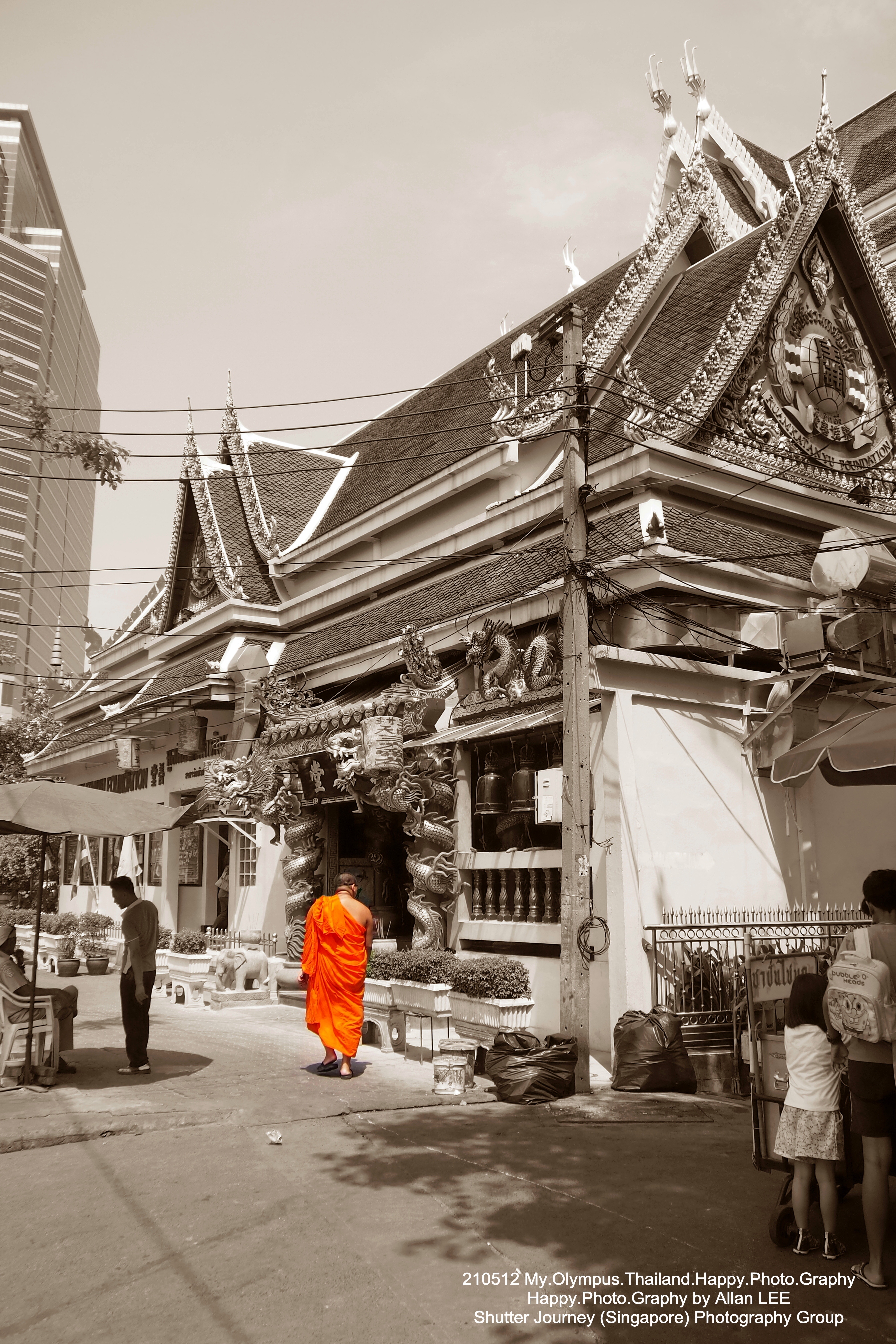
Posted in Brand: Canon, Photography Articles & Videos, Uncategorized | Tagged , , | Leave a comment

Olympus PEN E-PL2 vs PEN E-PL3

The Olympus Pen Lite Mark III or better known as E-PL3 was launched in August 2011. The “L” in the model code stands for Lite – a “detuned” version of the flagship E-P3. The E-PL3 sits in between the high end E-P3 and the entry-level E-PM3 (“M” for Mini). This camera was targeted at upgraders who wish to have a better quality photos from the usual point & shoot, with interchangeable lens flexibility and in a stylish, compact package.

Since the E-PL2 (Jan 2010), there’s been many practical & (I call them) “sensible” improvements made available to the E-PL3. A quick check with the regular camera stores reveals that both versions are still selling side by side today. Although there is a “slight” price difference, the different shapes from the 2 Pens attracted different group of users. (The Olympus Pen Series makes good fashion statement too with its selection of colors and its compactness.)

I was pretty happy when I received the E-PL3 review unit (together with the E-PL2) from the localOlympus guys. They sent the E-PL3 in my favorite metallic red color too. 🙂

So what has changed? As usual, I shall not state all the technical specs here which might bore you out. Instead, I shall highlight its important changes here. For the full specs, you can always google it for yourself. My style remains, layman style without all the technical stuff, but from the view of a user. As a professional photographer, (and as usual) I feel “strange” to be seen with these 2 Pens, but as I set out to test them, I realized these Micro 4/3 from Olympus are a joy to use – especially those days when I really feel like dumping the “heavy weights” at home for a weekend.

Main Differences between the 2 Pens.

E-PL2:
11 AF Points/ ISO100-6400/ Bigger Body/ White Balance 7 Steps/
Plastic Body/ TruePic IV Processor/ 4 image aspect ratio/ 4 recording formats/
No AF Assist lamp/ 22 scene modes/ 9 pop filters/ 3 fps/ No Tilt Screen/ 317 g

E-PL3: 
35 AF Points/ ISO200-12800/ Smaller Body/ White Balance 7 Steps + Kelvin Settable/ Metal Body/  TruePic V Processor/ 5 image aspect ratio/ 6 recording formats/
AF Assist lamp added/ 23 scene modes/ 6 pop filters/ 5.5 fps/ Tilt Screen/ 265 g

To be fair, both cameras were mounted on a Manfrotto Tripod Rig with ballheads sitting on strong Gitzo legs. This is how the set up looks like.

I decided to test out the Pens at Lower Peirce Reservoir at a shooting event. As the Sun was extremely bright and hot this morning, this makes it perfect for me to put the camera through a few pace for direct comparisons.

Test 1: Reservoir View, Lower Peirce Reservoir, Singapore with direct Sun light from back right.
Both cameras set to 1/180, F8, ISO 200, FR 14mm, Centre Weighted Average Metering, AWB, Spot Focus on Centre AF, Manual Exposure.

I picked this scene because this scene will be great to test the metering as there are mixed shaded areas with sections that are overwhelmed by the strong & bright sunlight. Both Pens read the scene quite accurately however I would sway towards the E-PL2 for this case as the details on the clouds retained most its details while the E-PL3 sort of over-exposed the sky causing details lost on the clouds. The area below the bridge on the shot by E-PL2 has somewhat more illumination than the shot recorded by the E-PL3. Now look at the vegetations on the far left. The E-PL3 did an excellent job by balancing the overall exposure quite well, but the E-PL2 produced a darker shade of vegetation. So my take is, E-PL2: 1/ E-PL3: 0

Test 2: Bank View, Lower Peirce Reservoir, Singapore with direct Sun light from back of camera.
Both cameras set to 1/250, F16, ISO 200, FR 25mm, Centre Weighted Average Metering, AWB, Spot Focus on Centre AF, Manual Exposure.

This low shot was done to test the sensitivity of the metering system and also how the camera fares in rendering colors in a mix scene of various contrasting colors. On the E-PL2 shot, the sky rendered a nice shade of blue but the rocks turned a little pinkish. On the E-PL3, the rocks are in the exact color that my eye saw, the sky’s blue is slightly paled as compared to the E-PL2 shot, but the green on the foliages were rich and exact. With this, I will vote towards the E-PL3 as going by the percentage of accuracy, I will prefer to have my photo in a balanced exposure with accurate colors and only needing to adjust minimally on the sections that needs tweaking, On overall, the E-PL3’s shot gives a 80% accuracy which outperformed the E-PL2 that I rated about 60%.
So my take is, E-PL2: 0/ E-PL3: 1

Test 3: Snap shot of friends against the sun.
Both cameras set to 1/1250, F8, ISO 200, FR 35mm, Centre Weighted Average Metering, AWB, Spot Focus on Centre AF, Manual Exposure.

Interestingly, this shot was a random shot. I was resting and enjoying the breeze when I decided to shot both my friends. The sun was at their back and I tried out this shot to see how the cameras will fare when shooting backlighted subjects without a flash. From the shots, the E-PL2 tried to balance the exposure however making the face pale and lifeless, the E-PL3 managed to captured the scene correctly by lighting the faces correctly without having to suffer a color loss and the background colors are also well rendered and precise. It’s obvious that I will pick the E-PL3 over the E-PL2 in this aspect. E-PL2: 0/ E-PL3:1.

Test 4: Reservoir View, this time when the sun is about 45 degree to the horizon (the 10.30am sun as some landscape photographers will described).
Both cameras set to 1/1000, F22, ISO 400, FR 18mm, Centre Weighted Average Metering, AWB, Spot Focus on Centre AF, Manual Exposure.

First look had me attracted to the E-PL3 shot as the colors were very nicely reproduced and I love the details captured on the sky, the clouds, the green vegetations on the far back. The E-PL2 produced a slightly “gloomy” photo but certainly acceptable by most standards. For some strange reasons, this shot taken by both Pens sort of pulls each other apart. Although from the same product range, the shot from the E-PL2 is expected “to be like this” but the shot from the E-PL3 looks like it was shot from a Professional DSLR. 
Needless to say, my take will be, E-PL2: 0/ E-PL3: 1.

Test 5: Multi Burst, testing on its AF Accuracy, the speed of Continous AF (C-AF).
Both cameras set to 1/200, F18, ISO 400, FR 25mm, Evaluative Metering, AWB, Spot Focus on Centre AF, Manual Exposure, C-AF, Multiple Shot..

I pressed the shutter for about 2 seconds on both cameras. The E-PL2 captured about 7 shots and if you are wondering why there are only 4 shots above, well, these are the only 4 shots that are sharp enough to be posted. The E-PL3 managed really well in this aspect as a total of 14 shots were recorded at the same time and 12 sharp photos were produced as seen below.

Both cameras were fired at the same time and ended at the same time. From the above, it is very obvious that the E-PL3 has my vote for this round.
So, E-PL2: 0/ E-PL3:1.

The test shots above had the E-PL3 beating the E-PL2  4:1. Let’s see how both cameras fared in other areas.

Based on the score sheet & pre-set testing criteria, the E-PL2 scored 30/50 while the E-PL3 scored an impressive 42/50.

My view, the E-PL3 is much closer to the flagship E-P3 than the E-PM3 is to the E-PL3. The image quality from the E-PL3 belongs to the “DSLR” class and packaged to lure upgraders from point & shoot prosumers who wants exceptional quality photos, flexibility with manual modes and interchangeable lens. Although I feel that the sleeker body is a little too small for my hands, I believed this body will fit perfectly into the hands of a million ladies. Light weight, well built and small enough to be placed anywhere, I am willing to ignore my oversized hands and have one E-PL3 as a back up body or a leisure camera whenever I am not working with my “larger DSLRs”.

If you considering to move from prosumer compact to a DSLR camera but hate the weight and size, the Olympus E-PL3 is an excellent choice – to start.


Visit http://www.olympus.com.sg/

Below are some “Behind the Scene” photos – Courtesy of Connie Yeo (Shutter Journey)

Posted in Brand: Olympus, Group Test & Reviews, Photography Articles & Videos, Uncategorized | Tagged , | 3 Comments

Getty Images Announces Innovative Industry Leading API Platform

Connect by Getty Images enables businesses to seamlessly integrate with Getty Images’ content, metadata and search technologies


Singapore– February 23, 2012Getty Images, a leading creator and distributor of visual content and other media, today announced the release of Connect by Getty Images, an innovative new content distribution service that allows customers and business partners to integrate Getty Images’ core functionality and robust content and metadata directly within their publishing tools, products and services through use of the company’s powerful and flexible API. Through Connect by Getty Images, companies can enhance and expand their offerings to further serve their customers’ needs, more efficiently manage workflows and costs, and generate revenue through constantly refreshed content.

“Connect makes it easy for customers and partners to integrate Getty Images’ tremendous breadth of content, our rich-set of metadata and industry leading search within their platform, products, services, and applications,” said Jonathan Klein, Co-Founder and CEO of Getty Images. “The platform is a comprehensive, customizable and scalable solution that enables businesses to improve their products, streamline workflows, reduce storage costs and launch compelling new services.”


A global company offering the broadest selection and highest quality creative and editorial content to well over one million customers, Getty Images designed Connect to be customizable and scalable for a wide variety of customer needs. By utilising Connect, customers and partners gain direct and immediate access to constantly refreshed and updated content in real-time, as well as Getty Images’ advanced metadata and search functionality – only available previously by visiting www.gettyimages.com – to enable new uses and avoid internal development and hosting costs. 

Currently, over 40 companies, including media companies, digital media and advertising services, print-on-demand services and mobile and web-based applications, are leveraging Connect to yield value within their products and offerings.  Connect by Getty Images is now available to all Getty Images customers and partners. To learn more about Connect and its advanced capabilities, please visit https://api.gettyimages.com/.


About Getty Images
Getty Images is one of the world’s leading creators and distributors of still imagery, video and multimedia products, as well as a recognised provider of other forms of premium digital content, including music.  Getty Images serves business customers in more than 100 countries and is the first place creative and media professionals turn to discover purchase and manage images and other digital content.  Its award-winning photographers and imagery help customers produce inspiring work which appears every day in the world’s most influential newspapers, magazines, advertising campaigns, films, television programs, books and Web sites.  Visit Getty Images at www.gettyimages.com.au to learn more about how the company is advancing the unique role of digital media in communications and business, and enabling creative ideas to come to life.

Posted in Photography Articles & Videos, Uncategorized | Tagged | Leave a comment